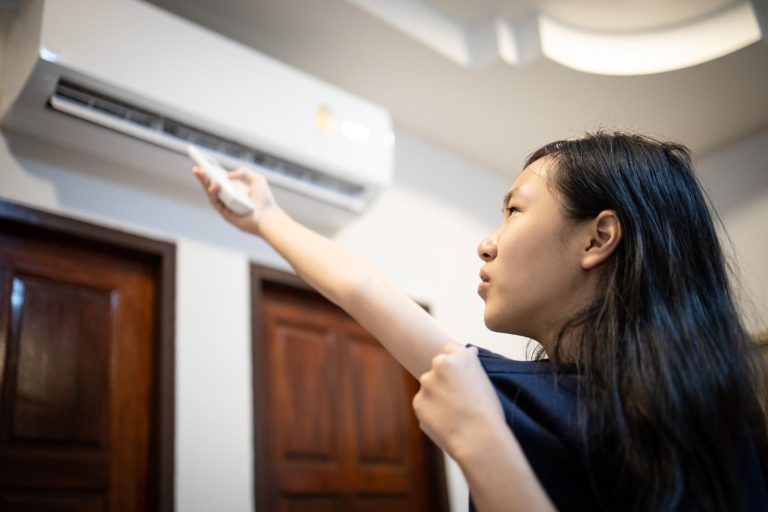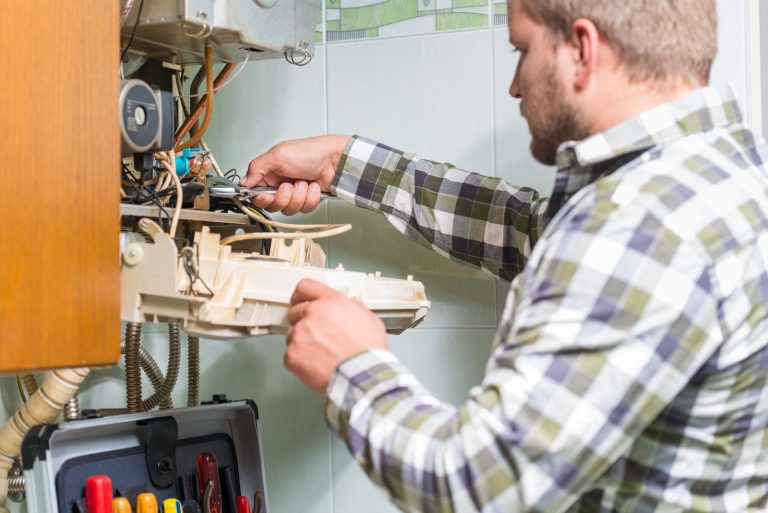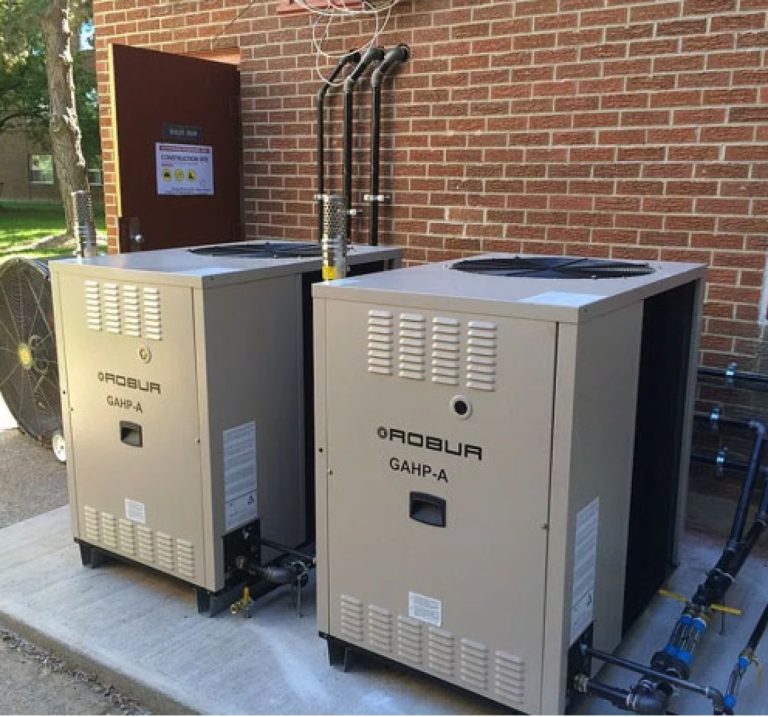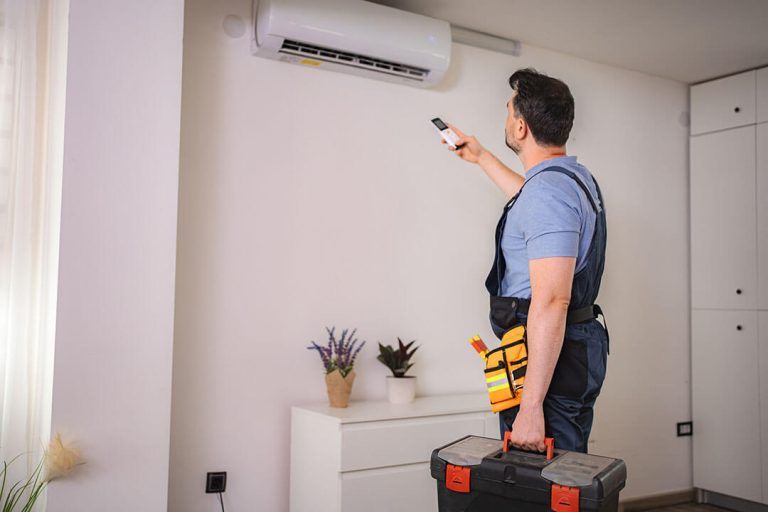

In Florida, you should turn on your AC when indoor temperatures reach 75°F or humidity starts making your home feel uncomfortable — for most Panhandle homeowners, that’s between March and April.
QUICK ANSWER: If you’re wondering when to turn on AC in Florida, the answer isn’t just about temperature; it’s about humidity, timing, and how your system handles Florida’s early-season heat. Along the Gulf Coast and across the Panhandle, we typically see that first real spike in heat and humidity hit around March. If your system isn’t ready by then, you’ll feel it inside your home fast.
Air conditioning startup refers to getting your system running and ready for daily use, including checking airflow and cooling performance and ensuring it can handle Florida’s long, humid cooling season.
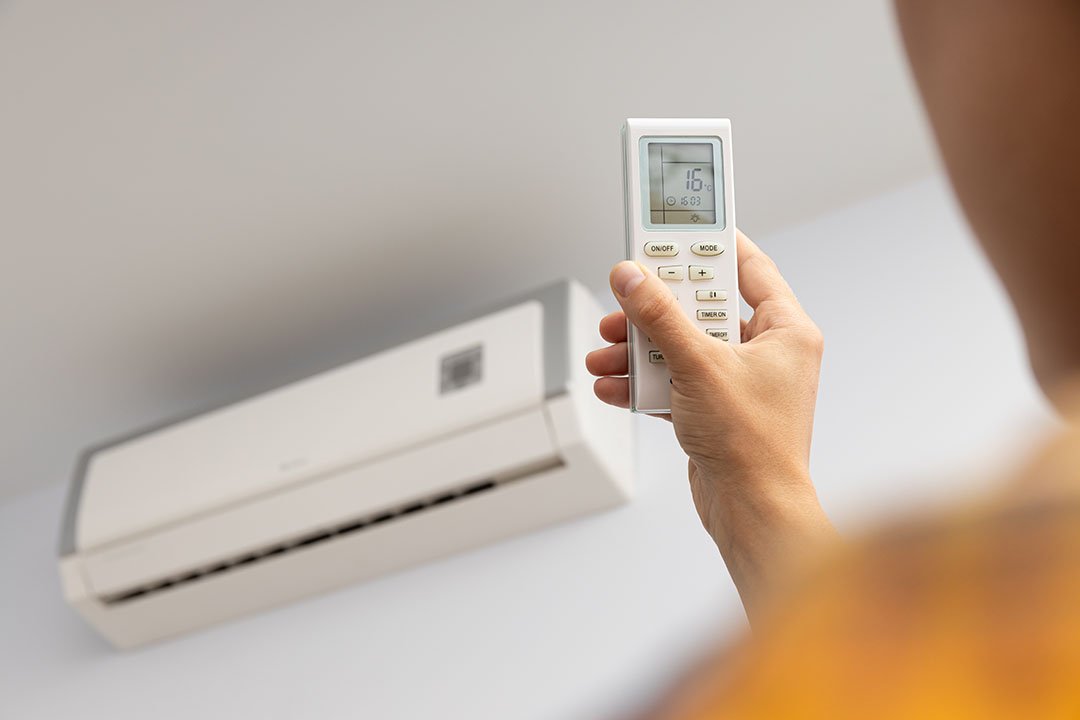
Why Timing Matters When Turning On Your AC in Florida?
In Florida, especially around areas like Destin, Niceville, and Panama City Beach, the shift from mild weather to heavy humidity doesn’t take long. One week you’re comfortable, the next your home feels damp by mid-morning.
Turning your AC on at the right time helps you:
- Avoid breakdowns when the first real heat wave hits
- Catch early issues before your system is under full load
- Keep humidity under control inside your home
- Reduce stress on your system during an 8–10 month cooling season
From what we see in the field, systems that sit too long without being checked are the ones that struggle the most once temperatures jump. That first hot stretch puts immediate pressure on everything.
What Temperature Should You Start Using Your AC?
Ideal Indoor Temperature Range
Most homes in Florida start needing AC when indoor temperatures move past 75–78°F, but temperature alone isn’t the full picture here.
In slab-built homes common across the Panhandle, heat tends to accumulate indoors, especially in the afternoons. Combine that with rising humidity, and the house starts feeling uncomfortable even before temperatures get too high.
If the air inside feels sticky or heavier than usual, that’s your real signal. Following energy efficiency guidelines can help you balance comfort without overworking your system.
Outdoor Temperature Triggers
Once outdoor temperatures reach the mid-80s, especially along major corridors like Highway 98, most systems need to run regularly.
In Florida, there’s no gradual transition. Once that heat shows up, it stays, and your AC needs to be ready to keep up.
Signs It’s Time to Turn On Your Air Conditioner
Your home will usually tell you before the thermostat does:
- The air feels damp or humid, especially in the morning
- Certain rooms, usually ones facing the sun, heat up faster
- Airflow feels weaker than it did the last time you used the system
- There’s a slight musty smell when the air starts moving again
Near the coast, salt air can also affect system performance, as we often see in homes closer to Destin and Panama City Beach.
What Happens If You Wait Too Long to Turn On Your AC?
Waiting too long can cause problems that aren’t obvious until your system is under pressure.
- Components that sat unused may fail once they start running
- Dust and buildup can restrict airflow
- Small electrical or refrigerant issues go unnoticed
- Your system gets hit with immediate, heavy demand
In Florida, where systems run most of the year, that kind of startup stress can shorten your equipment’s lifespan.
If your AC struggles to turn on, it’s a strong sign you may need professional AC repair.
Should You Run a Test Before the First Use?
Absolutely, and this is one of the easiest ways to avoid problems.
Before the heat really sets in:
- Turn your system on for 10–15 minutes
- Listen for anything unusual
- Make sure airflow feels strong and consistent
- Check that the air coming out is actually cooling
We often see systems that could have been fixed early end up failing during the first real hot week because this step was skipped.
How Florida’s Climate Affects AC Usage?
Florida isn’t just hot, it’s humid, and that changes how your AC works.
- Your system is constantly pulling moisture out of the air
- Coastal environments expose units to salt, which can wear components faster
- Long cooling seasons mean your system doesn’t get much downtime
Your AC is doing two jobs: cooling and dehumidifying. As warm air moves across the coil, moisture gets pulled out and drained away. That’s why systems here tend to run longer cycles than in drier states.
Across the Panhandle, homes near the coast deal with more moisture in the air, while inland areas still experience heavy humidity during spring and summer. Maintaining proper levels based on indoor humidity recommendations helps your system run more efficiently and keeps your home comfortable.
Why You Shouldn’t Turn Off Your AC Completely in Florida
Unlike most states, Florida’s heat and humidity don’t take a real break — even in winter. Turning your AC off completely, even for a few weeks, can cause more problems than it saves.
When your system sits idle, moisture builds up inside the unit and ductwork. That leads to mold growth, musty odors, and components that struggle to restart under immediate load. In coastal areas like Destin and Panama City Beach, salt air adds another layer of wear when the system isn’t circulating regularly.
A better approach is to set your thermostat to around 78–80°F during cooler months rather than shutting it off entirely. This keeps humidity controlled, protects your equipment, and means your system isn’t starting cold when the heat returns in March.
Best Thermostat Settings for Florida Homes
Florida homes work best with a consistent thermostat strategy rather than constant adjustments. Here’s what works well in our climate:
- During the day (home): 74–76°F
- While away: 78–80°F
- At night: 74–75°F
- During cooler months: No lower than 68°F to avoid overcooling
Humidity is the bigger comfort factor here. If your home feels sticky at 76°F, your system may be short-cycling or undersized rather than the temperature being wrong. A properly maintained system should hold both temperature and humidity in check without running constantly.
If you’re seeing high humidity readings indoors despite the AC running, it’s worth having a technician check refrigerant levels and airflow before adjusting your thermostat further.
When to Schedule AC Maintenance in Florida?
The best time to schedule service is before that early heat arrives—usually late winter through early spring.
Routine AC maintenance helps:
- Catch worn parts before they fail
- Improve system performance
- Make sure everything is ready for constant use
- Prevent breakdowns during peak season
Around here, once the heat hits, schedules fill up fast. Getting ahead of it makes a difference.
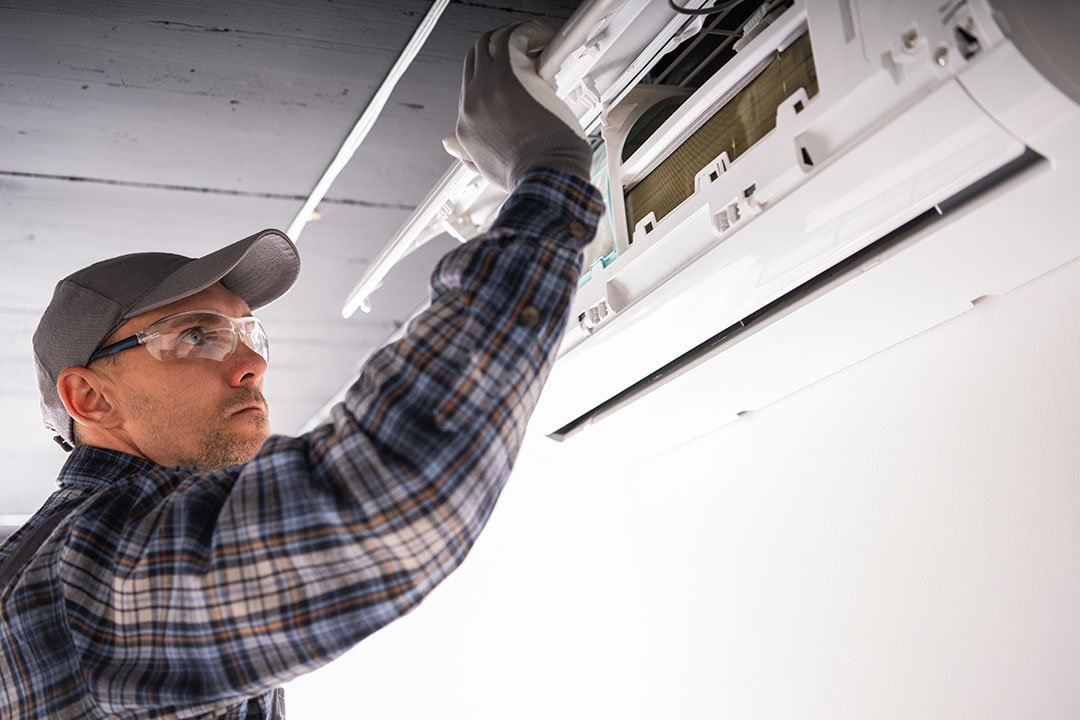
Why Professional AC Tune-Ups Matter?
A full tune-up goes beyond just turning the system on.
It ensures:
- Electrical components are working correctly
- Airflow is balanced throughout the home
- The system is cooling efficiently
- Small issues are handled before they turn into major repairs
In Florida conditions, skipping maintenance is one of the fastest ways to end up needing emergency service in the middle of summer.
Need Help Getting Your AC Ready for Florida Heat?
If your system isn’t keeping up or you’re not sure if it’s ready for the season, it’s time to get it checked.
We provide full HVAC services designed for homes across the Florida Panhandle, including areas around Destin, Niceville, and nearby communities.
If you’re unsure whether you’re within our service area, reach out, and we’ll point you in the right direction.
Don’t wait until the heat settles in. Get your system ready now so it performs when you need it most.