QUICK ANSWER: A proper heat pump installation service ensures the system’s capacity, airflow, and controls match how your home actually gains and loses heat throughout the year. A qualified professional will calculate your real heating and cooling load, confirm the duct system can move air without excessive restriction, verify electrical and refrigerant requirements, and fine-tune blower speeds and controls so the system runs long, steady cycles. When installation is done right, a heat pump delivers even comfort, quiet operation, and dependable efficiency without short cycling or temperature swings.
What does proper heat pump installation really mean?
Proper heat pump installation is not about choosing the biggest system or the newest technology. It is about making sure the system fits the home and can deliver comfort evenly and consistently.
A heat pump works best when it runs longer cycles at lower output. This allows heating or cooling to spread through the structure, furniture, and air volume instead of blasting the thermostat and shutting off quickly. The home feels steady and comfortable rather than warm one moment and cool the next.
When installation shortcuts are taken, even a high-quality heat pump can struggle. Poor setup often leads to noise, uneven temperatures, and higher energy use. Proper installation is what allows the system to perform the way it was designed to.
How do professionals determine the correct heat pump size?
A professional determines the correct heat pump size by looking at several key factors, including:
- Insulation levels throughout the home
- Window size, placement, and type
- Ceiling height and overall layout
- Air leakage and ventilation paths
- Sun exposure and orientation
- How individual rooms are used
- Existing duct sizing and return air availability
- Filter restrictions and overall static pressure
Together, these details help match the heat pump’s capacity to the home’s real heating and cooling needs, not just square footage.
Why can a poorly installed heat pump feel inefficient?
Comfort is about consistency, not raw output. A poorly installed heat pump may reach the thermostat setpoint quickly, but it often fails to distribute conditioned air evenly throughout the home. Short run times prevent the system from settling into its most efficient operating range. Frequent starts and stops increase noise and wear while reducing overall performance. Rooms farther from the thermostat may never receive enough conditioned air.
In many cases, homeowners assume the equipment is the problem. More often, the issue comes down to airflow, controls, or missed setup details during installation.
Which airflow and ductwork issues affect heat pump performance the most?
Common airflow and ductwork issues that affect heat pump performance include:
- Undersized or poorly placed return ducts
- Restrictive filter racks that limit airflow
- Dirty or obstructed blower components
- Unbalanced supply ducts that favor certain rooms
- Excessive static pressure in the duct system
When these issues are corrected, the heat pump can move air more efficiently, operate more quietly, and maintain consistent comfort throughout the home.

Do variable-speed heat pumps change how installation should be done?
Variable speed heat pumps adjust their output to match changing conditions. This allows them to run longer, quieter cycles and maintain steady indoor temperatures.
While these systems are more flexible, they still rely on accurate load calculations and proper airflow. Their ability to ramp down can hide small mismatches, but they cannot overcome major duct or installation problems.
When installed correctly, variable speed systems feel smooth and quiet because they rarely need to operate at full capacity.
What should be addressed during installation for best performance?
During a proper heat pump installation service, professionals should address:
- Blower speed settings matched to duct conditions
- Accurate refrigerant charge verification
- Secure and properly sized electrical connections
- Adequate outdoor unit clearance and airflow
- Reliable condensate drainage
- Control and thermostat configuration
- Full system commissioning to confirm performance
Addressing these details ensures the heat pump performs as designed from the first day of operation.
How do thermostats and system settings influence comfort?
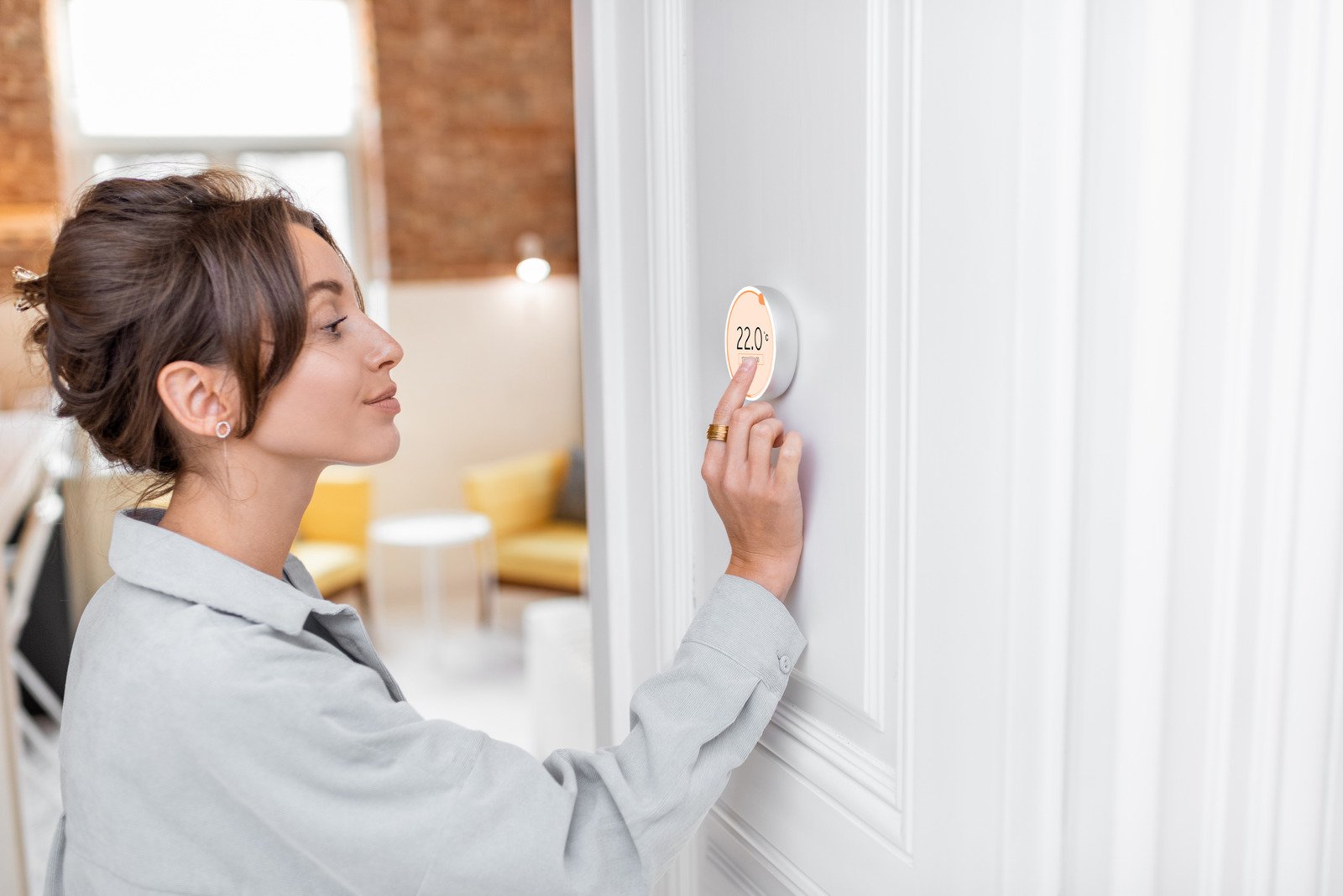
Thermostats and control settings have a major impact on how a heat pump works. Proper configuration allows the system to maintain steady conditions rather than react aggressively to large temperature changes.
Deep temperature setbacks can force the system to ramp up quickly, which increases noise and reduces comfort. Gradual scheduling helps the heat pump stay within its efficient operating range.
Fan profiles and delay settings also matter. Small adjustments can help conditioned air reach distant rooms and improve overall balance throughout the home.
What actually makes heat pump installation more complex?
The complexity of heat pump installation depends on the home and the existing system. Equipment features establish the baseline, while duct condition, electrical capacity, and airflow corrections shape the scope of work. Homes that need duct improvements or electrical upgrades require more planning and precision. Commissioning time is also critical because it establishes a reliable performance baseline.
A well-executed installation reduces future service needs and helps the system deliver consistent comfort over time.
How can you tell if a contractor installs heat pumps the right way?
Ask about their process. A qualified contractor should explain how they calculate load, measure static pressure, and verify airflow. They should also describe how they configure controls and commission the system. Clear explanations matter more than vague promises. A professional installer bases recommendations on measurements and makes the plan easy to understand.
Who should handle your heat pump installation service?
Choose a team that starts with accurate measurements and finishes with careful commissioning. Holt Phillips Heating & Cooling provides professional heat pump installation service with a focus on long-term comfort and system performance.Our team takes the time to evaluate airflow, configure controls, and ensure every installation detail is handled correctly. If you are considering a heat pump installation service or want expert guidance, contact Holt Phillips Heating & Cooling today through our contact page to schedule a consultation.