
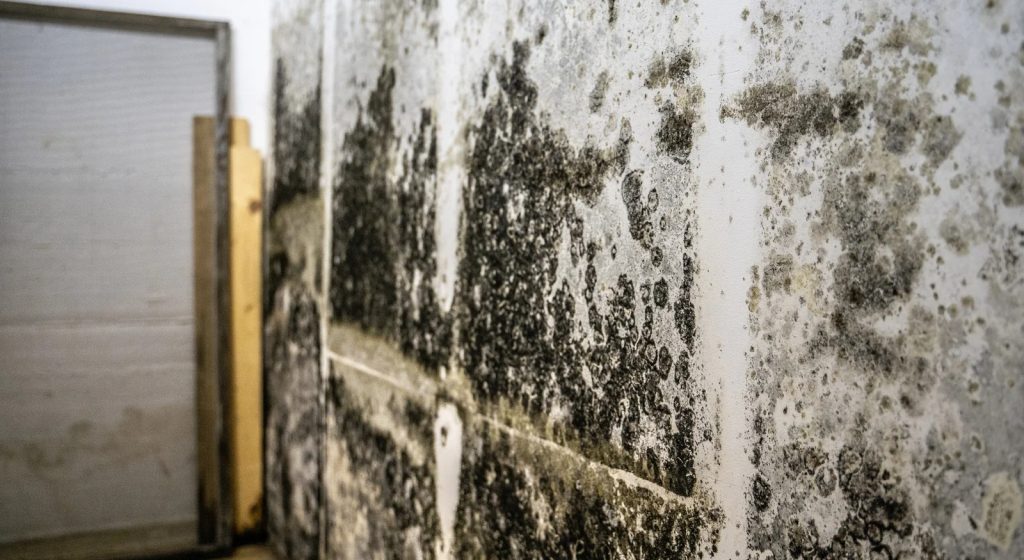
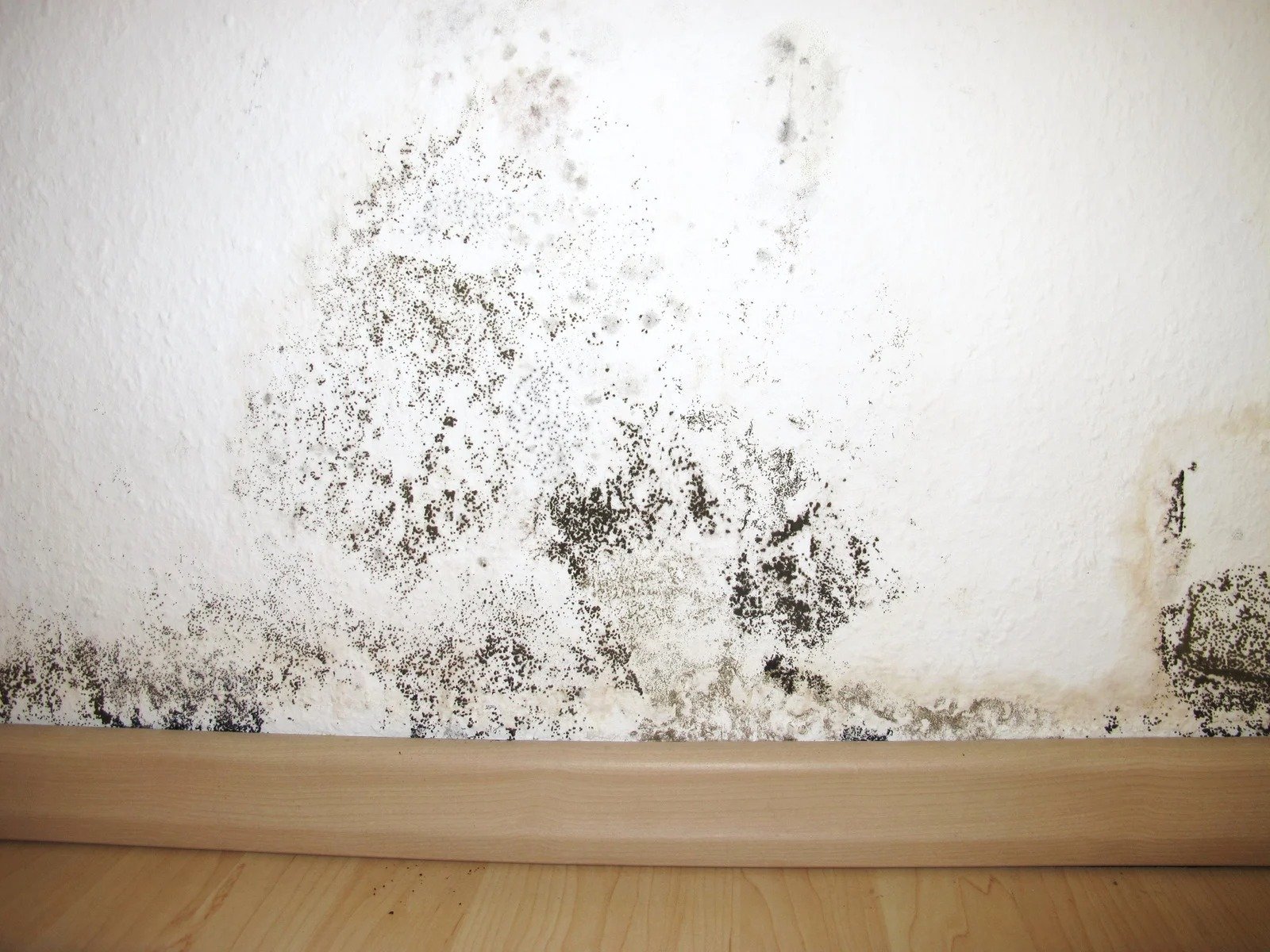
Picture this: You’ve just arrived back at your Florida home in early November, excited to escape the first cold snap up north. You turn the key, push open the door, and immediately freeze. That smell hits you like a wall. Musty, heavy, wrong. Your eyes adjust to the dim light and your heart sinks. There’s visible mold creeping across the living room wall, dark and spreading like something from a horror movie. You step inside and your foot lands on a section of warped hardwood floor that gives slightly under your weight.
Or maybe the scenario is different. Maybe it’s July, and you’re enjoying a peaceful morning in Michigan, Minnesota, or Massachusetts when your phone rings. It’s your property manager in Florida, and their voice has that tone that immediately puts you on edge. Your AC unit has been running non-stop for three weeks with a refrigerant leak, they tell you. Your electric bill just arrived. It’s $847. For a house where nobody’s living.
These scenarios play out every single year across Florida. With over one million snowbirds calling the Sunshine State home during winter months, composing up to 18% of the population in some counties, the vacant home HVAC challenge affects hundreds of thousands of properties. And after working with seasonal residents for over two decades, we’ve learned something important: your HVAC system doesn’t know you’re gone, and it certainly doesn’t take care of itself.
Here’s your complete guide to making sure both your HVAC system and your Florida home are still standing when you return.
The Expensive Reality of Getting It Wrong
Let’s talk about what can actually happen when you don’t have a plan. We’re not going to sugarcoat this because the financial reality is sobering.
Imagine walking into your beautiful Gulf-coast condo after six months up north. The door swings open and you’re immediately hit with a smell so strong it makes your eyes water. Black mold covers two bedroom walls. Your hardwood floors have warped and buckled in the living room. And your AC system, you discover, failed three months ago while you were blissfully unaware up north.
The damage from a scenario like this can easily hit $22,000 or more. Mold remediation alone runs $3,000 to $15,000 depending on severity. Floor replacement adds another $3,000 to $5,000. And a new AC system? That’s $5,000 to $8,000 right there. All of this often stems from one simple decision: turning the AC completely off to save a few hundred dollars on electricity.
Or consider the slow leak scenario. You set your thermostat to what seems like a reasonable 85°F before heading north in May. Everything seems fine. But somewhere around June, your system develops a small refrigerant leak. The unit starts running constantly, trying to reach 85°F but never quite getting there. For three solid months, it runs 24 hours a day, seven days a week. Your electric bills during those months average $640 each. Finally, the compressor gives up completely under the constant strain. You need a new compressor and refrigerant recharge totaling $3,200.
If someone had caught that leak during a $149 tune-up, you’d have saved yourself over $5,000 in electricity and repairs.
Here’s another scenario that happens more often than you’d think. A small leak develops in your air handler’s drain pan. You’re not there to notice it. Water drips slowly into the ceiling below, then seeps into the walls. For four months, this creates the perfect environment for mold while simultaneously damaging the ceiling, insulation, and eventually causing a section of drywall to collapse under the weight of water-soaked material. The repair bill comes in around $8,900. If someone had been checking your system monthly, that leak would have been spotted immediately.
The pattern becomes clear pretty quickly. Small problems that would cost under $200 to fix become catastrophic failures that cost thousands when nobody’s watching.
Why Florida Makes Everything Harder
Florida’s climate creates what we sometimes call a perfect storm for vacant home problems. Understanding why helps you appreciate why you can’t just lock the door and hope for the best.
Let’s start with humidity, because humidity is the real villain in this story. Step outside in Florida during summer and the outdoor humidity regularly hits 70 to 90 percent. That moisture wants to get inside your home, and it will find a way. When your home sits vacant without climate control, indoor humidity can creep up to 70 or 80 percent within days. Here’s the critical number to remember: mold thrives above 60 percent humidity. In fact, mold can begin growing within 24 to 48 hours once conditions are right. What follows is mildew, musty odors that permeate everything you own, and eventually structural damage.
Research by Florida Power & Light and the Florida Solar Energy Center found that maintaining indoor relative humidity at 62 percent or lower is critical for preventing mold and protecting your home’s structure during vacant periods. That’s not a suggestion. That’s a requirement if you want to come back to a home that’s still habitable.
Then there’s the temperature question, which turns out to be more complicated than most people realize. Set your thermostat too high and you save money on electricity but risk mold and humidity damage that costs exponentially more to remediate. Set it too low and your AC runs constantly, wearing out the system while costing you a fortune in electricity bills for cooling that nobody’s even enjoying.
The sweet spot exists, but it’s narrower than you might think. And it changes based on your specific home, your specific AC system, and whether you have additional humidity control equipment.
The other challenge is what we call the “set it and forget it” trap. Many snowbirds assume their HVAC system will just keep working for four to six months without any attention. But think about all the things that can go wrong during that time. Filters get clogged with dust and debris, reducing efficiency by 15 to 20 percent. Refrigerant leaks can develop. Drain lines get clogged with algae that thrives in Florida’s humid conditions. Electrical components fail from age or power surges. Critters make nests in outdoor units. Condensate drain pans overflow. Control boards fail.
Without someone checking on these issues regularly, a $50 problem that would take 15 minutes to fix becomes a $5,000 disaster that requires major repairs or replacement.
The Smart Snowbird’s Strategy: A Month-by-Month Journey
Let’s walk through what a well-managed snowbird property looks like from start to finish. This isn’t just a checklist. It’s a story of how to protect your investment from the moment you start planning your departure to the moment you walk back through the door.
Before You Leave: The Critical Preparation Phase
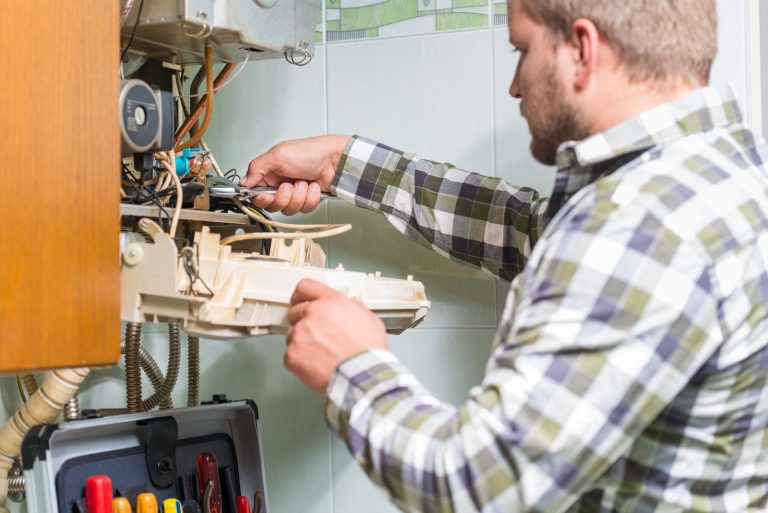
About six weeks before you plan to head north, it’s time to start thinking seriously about your home’s health. This is when you schedule professional HVAC maintenance, and this step is absolutely non-negotiable. A thorough pre-departure tune-up should include a complete system inspection where a technician looks at every component, cleans the coils (which is critical for efficiency in Florida’s dusty environment), checks refrigerant levels, cleans and treats your drain line with algae-preventing tablets, replaces the filter, tightens all electrical connections, tests the capacitor and contactor, calibrates your thermostat, and inspects accessible ductwork.
The cost? Usually somewhere between $149 and $249. The potential savings? Literally thousands of dollars in prevented damage.
This is also when you need to think seriously about your thermostat situation. If you still have one of those old dial thermostats or even a basic programmable one, it’s time to upgrade to a smart thermostat. This isn’t about being trendy. It’s about having a command center you can access from anywhere in the world.
The best smart thermostats for snowbirds offer remote monitoring and control via your smartphone. They send you alerts if temperatures go outside your set range. They track energy usage so you can spot problems before they become catastrophes. Some offer humidity monitoring built right in. Others allow you to add remote sensors for monitoring multiple rooms.
What you absolutely must have in a thermostat are temperature alerts that notify you immediately if something goes wrong, humidity monitoring so you know mold isn’t developing, remote access via a smartphone app so you can check in anytime, and filter change reminders because it’s easy to forget when you’re a thousand miles away.
If you’re really serious about protecting your investment, this is also when you consider installing a whole-home dehumidifier. Yes, it’s an upfront investment of $1,800 to $3,000 installed. But think about what it does. It removes moisture even when your AC isn’t running. It’s more efficient than letting your AC over-cool just to dehumidify. It protects your furniture from warping and prevents mold growth. And it can actually save you $200 to $400 per summer on AC operation costs because your air conditioner doesn’t have to work as hard.
You also need to set up some kind of property monitoring system. This could be a home watch service that visits weekly for $75 to $150 per month. It could be a full property manager who handles everything for $150 to $300 monthly. Maybe you have a trusted neighbor who’s willing to check on things (dinner at their favorite restaurant when you return is usually appreciated). Or you might opt for remote monitoring cameras with motion alerts so you can visually check on things yourself.
About two weeks before departure, the preparation intensifies. Stock up on air filters and leave them somewhere obvious where your property checker can find them. Create a detailed home manual that explains everything about your HVAC system, including where the shutoffs are located, what normal operation looks and sounds like, and who to call if something goes wrong. Program your smart thermostat with your ideal settings, which we’ll discuss in detail shortly. Test the remote access to make absolutely sure it works from your northern home. Clean the area around your outdoor unit and remove any debris. Verify that all your contact information with your HVAC company is current and that they have your northern phone number for emergencies.
In the final week before you leave, change the filter one last time. Set your thermostat to vacation mode with your carefully chosen temperature settings. Clean out your refrigerator and dispose of anything that could spoil. Run your dishwasher one final time so it doesn’t sit with dirty dishes for months. Verify that your property checker has all your contact information and your HVAC company’s emergency number. Put lights on timers for security. And take photos of all your systems. These photos become critical for insurance purposes if anything goes wrong.
While You’re Away: The Monitoring Phase
Now we get to the question everyone asks: what temperature should you actually set your thermostat to? After years of experience with hundreds of snowbird properties and consulting research data, here’s what works best for most Florida homes.
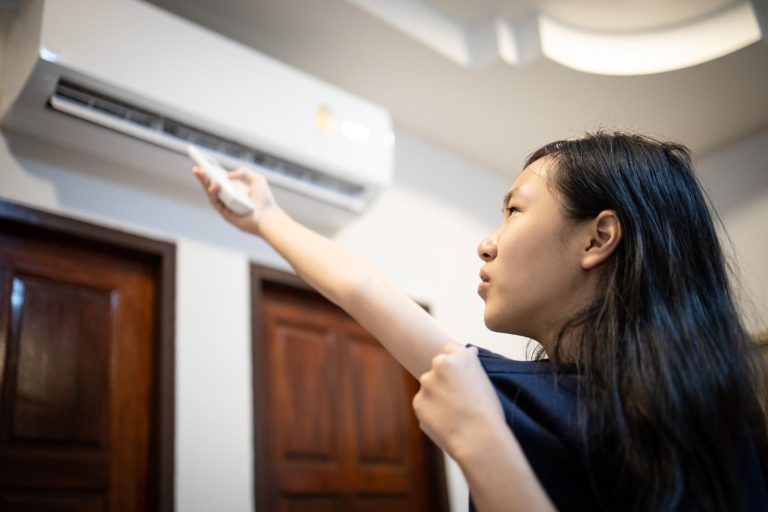
Set your AC to 82 degrees during the day and 78 degrees at night. Use a programmable schedule where the temperature is 78 from 8 PM to 8 AM, then 82 from 8 AM to 8 PM. This schedule keeps humidity in check, typically maintaining it between 60 and 65 percent relative humidity. It reduces energy costs by 25 to 35 percent compared to running at 75 degrees constantly. It prevents your system from running continuously. And it protects both your structure and your belongings.If you’ve invested in a whole-home dehumidifier, you can set your AC to 83 or even 84 degrees and let the dehumidifier maintain 55 to 60 percent humidity. This saves even more on energy costs while still protecting your home.
But here’s what you should never do. Never turn your AC completely off. That’s a guaranteed path to mold problems. Never set it above 85 degrees, because you’re risking humidity damage even if the AC is running. Never set it below 74 degrees because you’re wasting energy cooling a house nobody’s using. One more critical setting: always set your thermostat fan to AUTO, not ON. When it’s set to ON, the fan runs constantly whether the AC is cooling or not. This wastes enormous amounts of energy and clogs your filter much faster. AUTO means the fan only runs when cooling is actually needed.
Your property watcher’s monthly visits are crucial during this phase. They should walk through your entire home checking for musty odors, which indicate mold or humidity issues before they’re visible. They should look for any signs of visible moisture or mold. They need to verify the AC is actually running when it should be. They should listen for any unusual sounds from the HVAC system. They must confirm the thermostat is still set to your chosen settings and that the indoor temperature actually matches what the thermostat displays.
Outside, they should check your outdoor AC unit for debris accumulation, look for any signs of animal nests, listen for unusual sounds, verify the fan is spinning properly, and look for any visible damage or ice buildup (which can happen even in Florida during rare cold snaps). The filter needs changing every 30 to 60 days during Florida’s heavy-use summer months. This isn’t optional. Your property watcher should also check the condensate drain line. They should see occasional water dripping outside when the AC runs. If it’s completely dry, that might indicate a clog. If it’s constantly dripping like a faucet, that might indicate a refrigerant issue.
We also strongly recommend scheduling a mid-summer professional visit, typically in July. A technician can verify refrigerant levels, check for any developing issues, perform a deep cleaning if needed, and reassess your thermostat settings based on how the system performed during the first two months. This visit costs about $99 to $149, and the peace of mind is genuinely priceless.
Before You Return: The Transition Phase
About two or three weeks before you arrive back in Florida, it’s time to start preparing for your return. Use your smart thermostat to gradually lower the temperature. Two weeks out, set it to 78 degrees constant. One week out, bring it down to 76 degrees. Then two or three days before your arrival, set it to your preferred temperature, usually around 72 to 74 degrees.
Why gradual? Because sudden temperature drops can cause condensation throughout your home and put unnecessary stress on your system. The slow transition is much gentler on both your home and your AC. Also schedule a return maintenance appointment for sometime during your first week back. This allows a technician to give your system a full inspection, change the filter, perform a seasonal transition check, and address any issues that might have developed over the summer.
Upon Arrival: The Inspection Phase
When you first walk through your door after months away, your first 24 hours should include a thorough inspection. Walk through your entire home with your nose working as hard as your eyes. Check for any musty odors. Look for visible mold or water damage anywhere. Inspect the areas around AC vents for dust or debris. Check windows for condensation stains that might indicate humidity problems.
For your HVAC system specifically, listen to it running. Any unusual sounds? Feel the air coming from the vents. Is it cold enough? Check your thermostat. Is it maintaining the temperature you set? Inspect your outdoor unit for any damage or debris. Look at your air handler or furnace for any water stains around it. Replace your air filter immediately. After months of use, even with regular changes, you want to start fresh for your winter stay. Keep that professional maintenance appointment you scheduled. And address any issues immediately, even if they seem small. Small problems caught early stay small.
The Insurance Reality Nobody Talks About
Here’s something that catches many snowbirds completely off guard. Standard homeowner’s insurance often doesn’t fully cover damage to vacant homes, or it comes with very specific requirements that many people don’t realize exist. Common insurance requirements for vacant homes include regular inspections, often weekly or bi-weekly. They require maintained climate control, meaning you can’t just turn everything off. They want documentation of your monitoring efforts, so keep logs of all checks. And they want professional maintenance records, so keep every receipt.
What often isn’t covered without special provisions? Mold damage in vacant homes tops the list. Gradual leaks or damage that developed over time usually aren’t covered. And damage that results from lack of maintenance is almost never covered.
How do you protect yourself? Review your insurance policy carefully before you leave each year. Consider purchasing vacant home insurance or adding a special rider to your existing policy. Keep detailed maintenance records of every service visit. Take photos before and after your stay. Document all professional service visits with receipts and service reports.
The cost of proper insurance coverage might add $200 to $500 per year. The cost of uncovered mold damage can easily hit $8,000 to $25,000 or more. The math really isn’t complicated.
The Real Costs of Being a Snowbird
Let’s talk honestly about what you should expect to spend to properly manage your Florida property as a seasonal resident. A well-managed property typically costs about $1,350 to $1,850 per year. This includes:
- Pre-departure maintenance at $149 to $249
- Mid-summer check at $99 to $149,
- Return maintenance at $149 to $249
- Filter changes throughout the summer at about $150
- One-time smart thermostat purchase of $200 to $300
- Summer electricity bills from May through October totaling $600 to $900
Compare that to a poorly managed property when things go wrong. Emergency repairs can run $500 to $3,000. System replacement costs $5,000 to $8,000. Mold remediation ranges from $3,000 to $15,000. Water damage repairs cost $2,000 to $10,000. And your insurance premiums can increase by $500 to $1,000 per year ongoing after a claim. The potential total when things go wrong? You’re looking at $10,000 to $35,000 or even more in worst-case scenarios.
The return on investment for prevention becomes crystal clear. Spending $1,500 to $2,000 per year on proper management isn’t an expense. It’s insurance against five-figure disasters.
Technology That Makes Distance Manageable
Beyond the basic smart thermostat, several other technologies can make managing your Florida home from up north much easier and give you genuine peace of mind. Leak detectors cost $50 to $100 each and should be placed near your AC air handler, near your water heater, and under sinks. They alert you instantly to any water where water shouldn’t be.
Smart plugs at $25 to $40 each let you connect lamps for security. They can also monitor power consumption, and if something’s wrong with your electrical system, your electricity usage will change noticeably. Indoor air quality monitors ranging from $100 to $200 track humidity levels, monitor temperature, and some can even detect mold spores. They alert you to problems before they become visible to the naked eye. Security cameras with environmental sensors, priced at $150 to $300, give you visual confirmation that your system is actually running. You can spot visible issues from hundreds of miles away. Some include temperature and humidity sensors built right in.
Whole-home monitoring systems, which cost $500 to $1,500, integrate all your systems into a single dashboard. They provide predictive alerts based on patterns. And some offer professional monitoring services for an additional monthly fee.
Common Questions We Hear Every Year
Can you just turn your AC off completely to save money? Please don’t. The money you might save on electricity, maybe $400 to $500 for the entire summer, will be absolutely dwarfed by the cost of mold remediation if humidity gets out of control. Plus, many insurance policies won’t cover damage to a home that wasn’t climate-controlled. What temperature should you really set it to? For most homes, 82 degrees during the day and 78 at night works well. If you have a whole-home dehumidifier, you can go to 83 or 84 degrees. Never above 85. Never completely off.
How often do filters really need changing in Florida? During heavy-use months from May through September, every 30 to 45 days is the standard recommendation. Use high-quality filters rated MERV 8 to 11 for better air quality and system protection. Is a smart thermostat really necessary? While not legally required, it’s practically essential for snowbirds. The ability to monitor conditions and adjust settings remotely, plus receive alerts about problems, makes it worth every penny.
What if something breaks while you’re gone? This is exactly why you need a local contact, whether that’s a property watcher, a manager, or a trusted friend. You also need a relationship with an HVAC company that offers emergency service and can respond quickly when your local contact alerts them to a problem.

Your Complete Preparation Journey
The key to successful snowbird property management is starting early and being thorough. Six weeks before you leave, schedule your pre-departure HVAC maintenance and review your insurance policy requirements. Verify or install your smart thermostat and arrange for property monitoring services.
Two weeks before departure, stock filters where your property watcher can find them. Program your thermostat settings carefully. Test remote access to make absolutely sure it works. Coordinate with all your service providers and make sure everyone has updated contact information. In your final week, change the filter one last time. Set your vacation mode on the thermostat. Clean out perishables from the refrigerator. Verify that your property watcher has all the information they need, including your HVAC company’s emergency number.
While you’re away, check your smart thermostat remotely at least weekly. Review your energy usage for any unusual patterns. Coordinate regularly with your property watcher. Document all checks and inspections in a log. Before you return, schedule your welcome-home maintenance appointment. Use your smart thermostat to gradually lower the temperature over a couple of weeks. Coordinate with service providers about your arrival date. When you arrive back, complete a thorough walk-through inspection within the first 24 hours. Change your filter immediately. Keep that professional maintenance appointment. Address any issues right away, even if they seem minor.
The Bottom Line
Your Florida home isn’t just sitting there patiently waiting for you to return. It’s a living, breathing system that requires attention, especially the HVAC system working hard in 90-degree heat and 80 percent humidity all summer while you’re enjoying cooler weather up north.
You really have three choices. You can hope for the best and risk thousands of dollars in damage. You can manage it yourself remotely using smart technology and reliable local contacts. Or you can partner with professionals who specialize in seasonal homes and have systems designed specifically for snowbird properties.
After 25 years in the Florida HVAC business, we can tell you that the third option gives you the best sleep at night, whether you’re sleeping in your Florida bedroom or your northern one.
Don’t Wait Until April
The time to plan your snowbird strategy isn’t the week before you pack your car and head north. It’s now, while you have time to think clearly, research your options, and make informed decisions without the pressure of an imminent departure date.Smart thermostats take time to install properly and program correctly. Maintenance appointments fill up fast in March and April when everyone suddenly remembers they’re leaving soon. Property watchers and home watch services book their schedules months in advance. The best time to prepare is always right now.
Call us today to schedule your pre-departure maintenance, learn about programs specifically designed for snowbirds, get a consultation about smart thermostat options, and discuss your specific home’s unique needs and challenges. Because the only thing that should surprise you when you return to Florida next winter is how well your home weathered the summer, not how much damage occurred while you were away.
Call us at (850) 279-1113 and get your project started today!
Holt Phillips Heating & Cooling has been serving Florida snowbirds and year-round residents for 25 years. We understand the unique challenges of seasonal homes and offer specialized programs to keep your property safe and comfortable year-round.