QUICK ANSWER: If your furnace is blowing cold air, the issue is usually due to restricted airflow, an interrupted ignition cycle, or incorrect thermostat settings. In some cases, a clogged filter or fan setting is the cause. In other cases, internal safety controls shut down the burner to protect the system. A qualified heating contractor can diagnose the root cause by measuring airflow, verifying ignition performance, and confirming safe operation.

Why is my furnace blowing cold air instead of heat?
When a furnace blows cold air, it usually means the heating cycle is not completing properly. A furnace does not simply turn on and blow heat. It follows a sequence. First, it receives a signal from the thermostat. Next, it ignites fuel and warms the heat exchanger. Only after the heat exchanger reaches a safe temperature does the blower turn on to distribute warm air.
If the process is interrupted, the blower may continue to operate, but the burner will not produce heat. That is why air moves through the vents even though it feels cold. Most cold air issues fall into three categories:
- Airflow restrictions that cause the system to overheat and shut off the burner
- Ignition or flame sensing failures that prevent sustained heating
- Thermostat settings that allow the fan to run without an active heat cycle
Understanding which category applies is the key to solving the problem quickly.
Could thermostat settings be the cause?
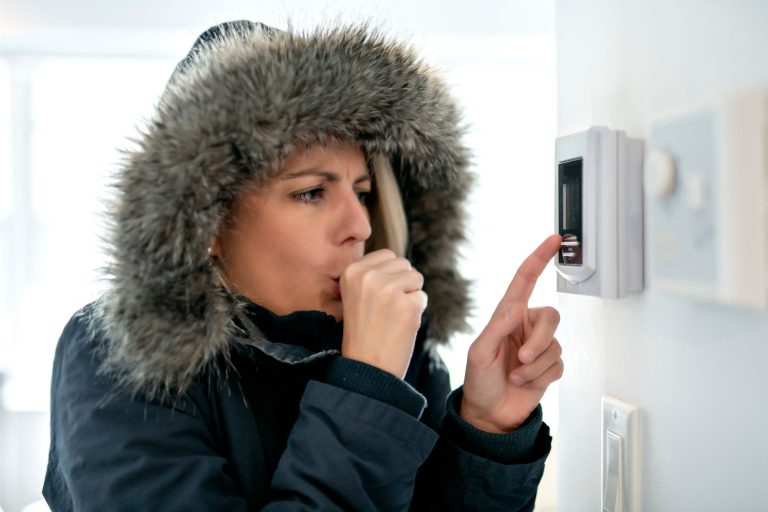
Before assuming the furnace has failed, check the thermostat. If the fan is set to On instead of Auto, the blower runs continuously. When the furnace is not actively heating, the air will feel cool. Switching the fan to auto ensures the blower runs only during heating cycles.
You should also confirm that the thermostat is set to heat and that the temperature setting is above the current room temperature. Weak batteries or display errors can disrupt communication between the thermostat and the furnace. Thermostat settings and programming directly impact heating performance and efficiency. A simple setting change can sometimes resolve what feels like a major issue.
Can a dirty air filter really shut down heating?
Yes, and it happens more often than most homeowners realize.
A clogged air filter restricts airflow. When airflow drops, heat builds up inside the furnace. The system is designed to protect itself, so a high-limit safety switch shuts off the burner. The blower may continue running to cool the unit, sending cool air through your vents.
This often feels like the furnace starts heating normally, then suddenly switches to cold air. Replacing a dirty filter is safe and recommended. If the issue persists after installing a clean filter, the system may have more severe airflow restrictions that require professional evaluation.
What happens when the ignition system fails?
Modern furnaces use electronic ignition systems rather than standing pilot lights. If the igniter cracks, the flame sensor becomes dirty, or the gas valve fails to open properly, the burner will not ignite or will shut off quickly.
When ignition fails, the furnace may attempt to start several times before entering a safety lockout mode. During this sequence, the blower may briefly run, creating the impression that the system is operating even though no heat is being generated. Malfunctioning heating equipment should be inspected promptly to ensure safe operation. Ignition components involve gas and electrical systems, so professional testing is important.
Why does the air start warm and then turn cold?
If the air starts warm and then cools after a few minutes, the system may be short-cycling.
Short cycling occurs when the burner shuts down before completing a full heating cycle. This often happens because the furnace is overheating or detecting unsafe conditions. The blower continues to run, but the heat exchanger cools, so the air gradually feels colder.
Common causes include:
- High static pressure from undersized or restricted return ducts
- Faulty limit switches that interrupt the burn cycle
- Incorrect blower speed configuration
- Oversized equipment that reaches the set temperature too quickly
A heating contractor can measure temperature rise and static pressure to determine why the burner is shutting off prematurely.
Could airflow or duct problems be limiting heat?
Even when the furnace is producing heat, duct issues can prevent that warmth from reaching your living areas effectively. Leaks, undersized returns, or severe restrictions reduce the amount of warm air delivered to rooms. In some homes, the furnace is functioning correctly, but airflow limitations create uneven comfort and the perception of cold air.
Professional airflow testing determines whether the duct system can properly support the furnace. In many cases, correcting airflow improves performance without replacing major equipment.
Is it dangerous if the furnace keeps blowing cold air?
Cold air itself is not harmful, but repeated safety shutdowns or ignition failures should not be ignored. If you notice gas odors, burning smells, loud banging noises, or repeated lockouts, turn the furnace off and contact a heating contractor. Modern systems include multiple safety controls that activate to protect your home from unsafe conditions.
Addressing the root cause promptly prevents unnecessary wear and reduces the risk of larger repairs.
When should I call a heating contractor?
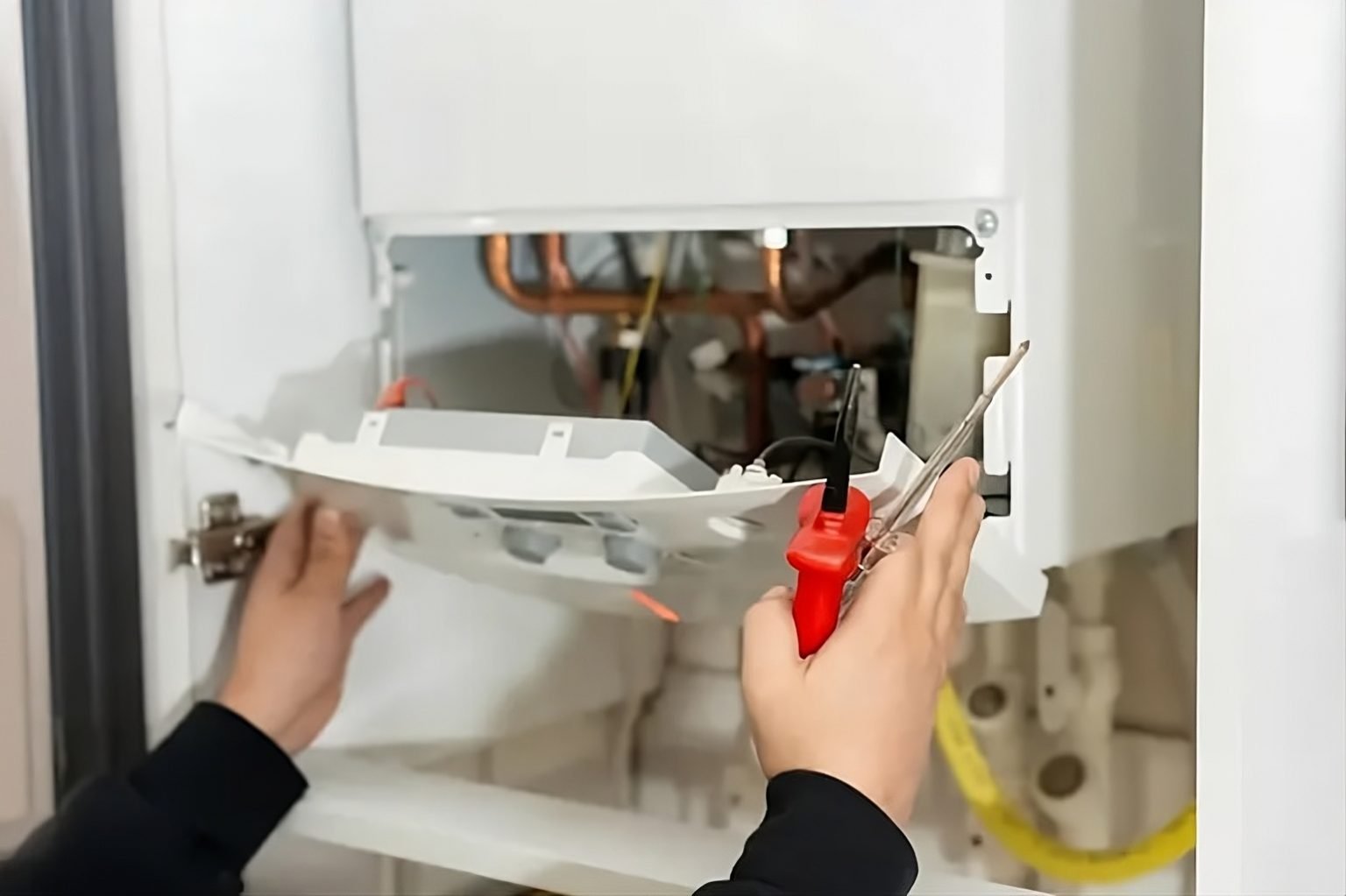
If replacing the filter and checking thermostat settings does not resolve the issue, it is time for a professional diagnostic visit. You should contact a heating contractor if:
- The furnace attempts ignition but does not stay lit
- The system cycles repeatedly without warming the home
- You hear unusual sounds during startup
- Error codes appear on the control board
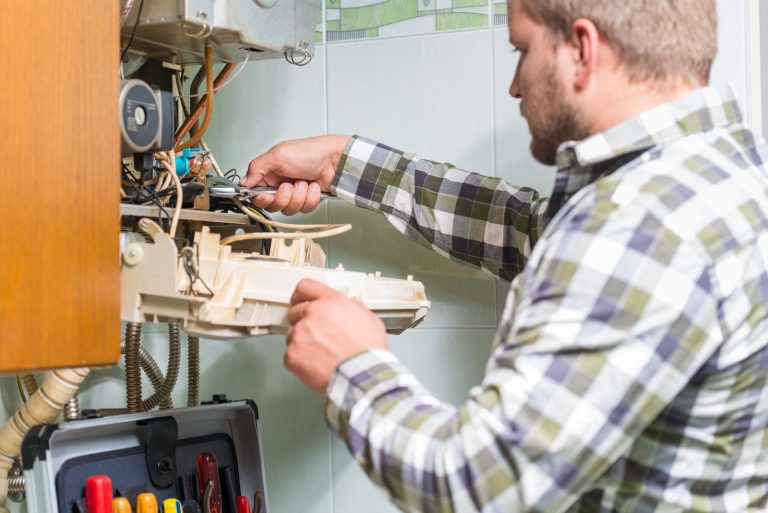
A proper diagnostic process includes verifying thermostat signals, testing blower motor performance, inspecting ignition components, measuring temperature split, and checking static pressure. Clear measurements lead to accurate repairs.
How can I prevent this from happening again?
Preventive maintenance is the most reliable way to prevent cold-air problems. During annual heating service, technicians inspect ignition components, clean flame sensors, measure airflow, confirm combustion safety, and verify thermostat operation. Regular service helps reduce mid-season breakdowns and keeps the heating cycle operating smoothly. It also extends equipment life and protects efficiency.
Who should I trust to fix my furnace correctly?
Who should handle your furnace repair when it is blowing cold air? Choose a team that starts with accurate diagnostics and finishes with careful commissioning. Holt Phillips Services provides professional heating repair focused on long-term comfort and system performance. If your furnace is blowing cold air and you want expert guidance from a trusted heating contractor, contact Holt Phillips Heating & Cooling today through our contact page to schedule a consultation.
Still looking for answers? Check out our list of services and don’t hesitate to give us a call with questions. We’re here to help.