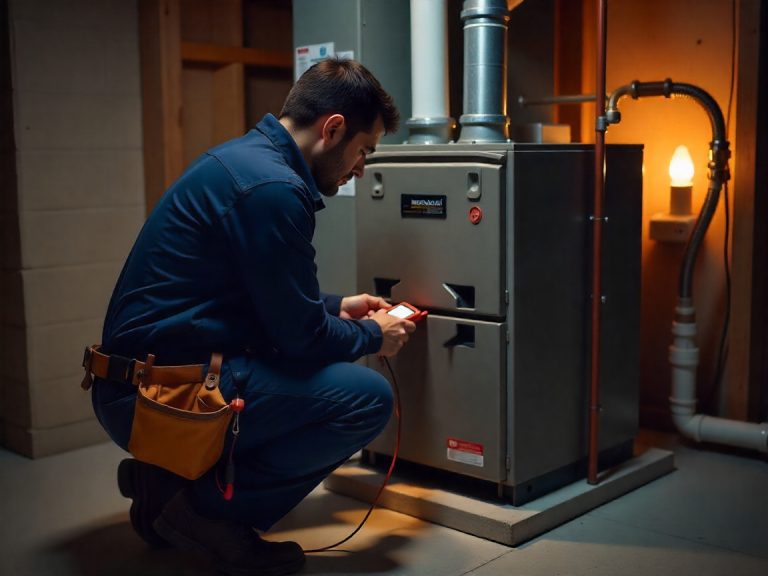

Quick answer: Service your traditional heating system once a year. However, heat pumps benefit from two tune-ups because they work year-round. A proper visit should include safety checks, airflow and static-pressure measurements, temperature split (ΔT), electrical testing, combustion testing on furnaces, and a written report that translates those numbers into clear steps. Skipping maintenance increases energy use, shortens equipment life, and raises the likelihood of mid-season breakdowns.
Why does yearly heating maintenance matter so much?
Heating systems are a mix of moving parts, high temperatures, and sensitive electronics. Dust on the blower wheel or a loose electrical connection seems trivial…until airflow drops, components overheat, and a safety trips at the worst possible time. Proactive service catches wear early, restores design airflow, recalibrates controls, and verifies performance.
What does a professional heating tune-up actually include?
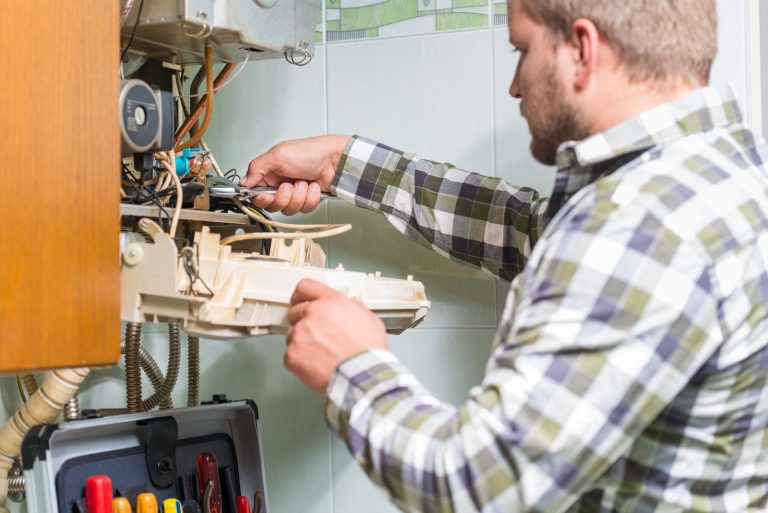
At a minimum, you should expect:
The visit should close with a full report plus a free, no-obligation, up-front estimate with no surprise costs or added fees for any recommended work.
What are the early warning signs I should call a pro now?
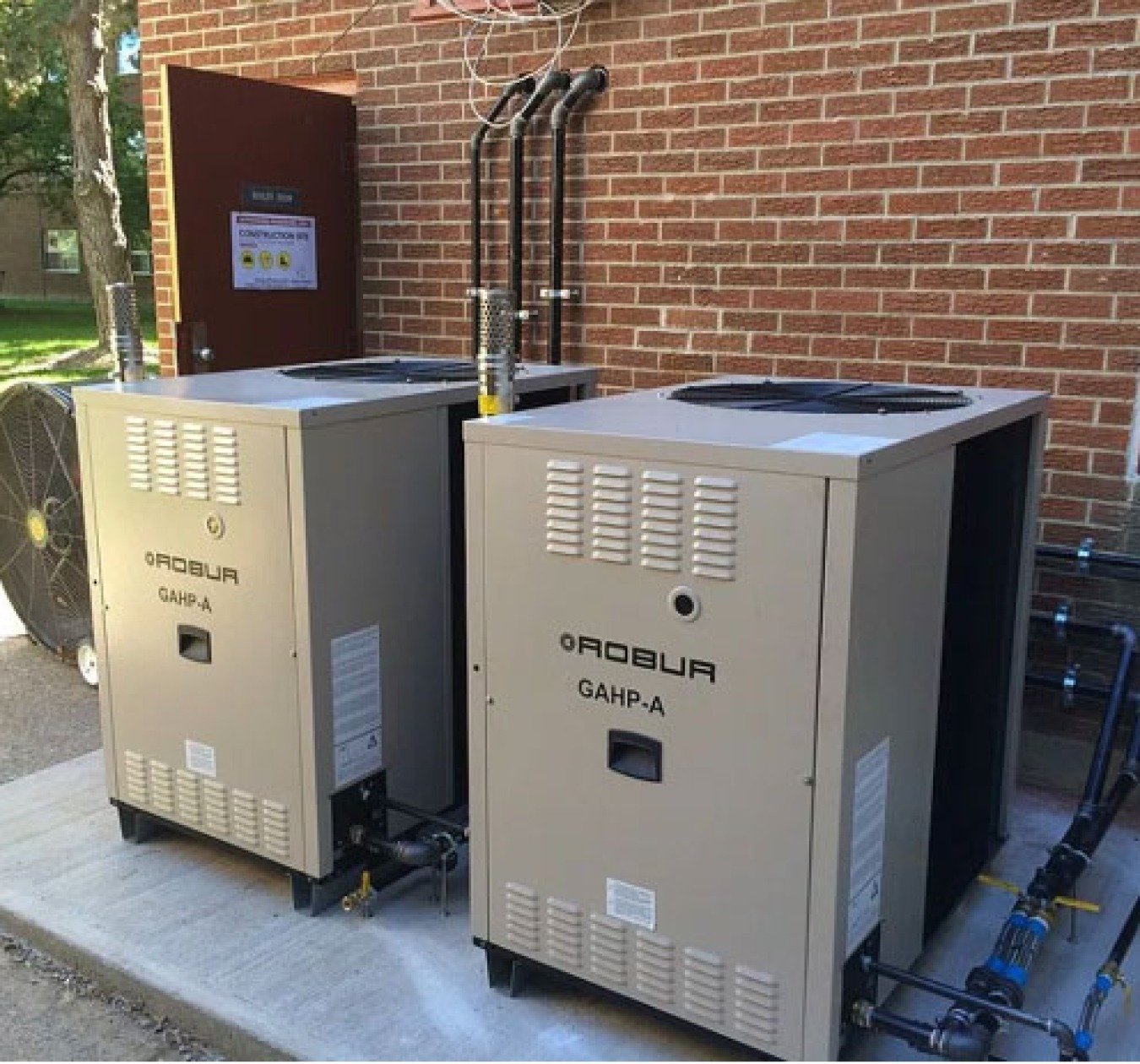
Uneven rooms, longer heat times, or a system that cycles on/off rapidly are early comfort clues. Technically, watch (or listen) for louder blowers, persistent smells at start-up, breakers that trip, rising utility costs without a weather change, or a thermostat that misses setpoints. Heat pumps with frosting outdoor coils, furnaces with repeated ignition attempts, or anything that leaks water need attention right away.
Does maintenance really lower the chance of a breakdown?
Yes. High static pressure strains motors for months before they fail. Weak capacitors force compressors and blowers to work harder. A marginal flame sensor may fail if it’s never cleaned or replaced.
What should a technician measure?
The most telling metrics are:
If you don’t see those values on your post-visit report, you got an inspection — not a tune-up.
Can good maintenance reduce my energy bill?
Absolutely. Airflow fixes alone can lower blower effort and help heat exchangers and coils work at design efficiency. Correct charge on heat pumps prevents longer runtimes. Clean ignition and proper gas delivery in furnaces improve heat transfer so the system doesn’t wrestle to meet setpoint. Many homeowners notice that they can hold a slightly higher thermostat setting while feeling just as comfortable after airflow and control adjustments.
What can I do between professional visits?
Keep a correctly sized and clean filter in place, clear supply and return grills, and keep the area around your air handler or furnace accessible. Glance at the condensate drain line during season changes. If recommended by your technician, a small amount of the right cleaning solution (per manufacturer guidance) can lower algae risk. Avoid “Fan On” in shoulder seasons unless advised—some homes benefit, but others re-evaporate moisture and feel drafty.

When is it time to repair and when is replacement smarter?
Consider age, symptoms, and measurements. If the unit is older, comfort is slipping, or measurements show high static pressure or recurring electrical strain, replacement may be the better long-term value. If issues are isolated — say, a weak capacitor paired with healthy airflow — repair is perfect. A trustworthy contractor will show you the data and outline a path forward, not push a single option.
How should I prepare for a service visit?
Clear a path to the air handler or furnace and the outdoor unit if you have a heat pump. Note problem rooms, noises, and recent thermostat behavior because those clues speed diagnosis. If you use a smart thermostat, have the app handy because historical data can surface patterns (like short cycling) that a tech can solve with airflow or control tweaks.
What happens on the day of service?
A senior technician triages, then moves into testing. Findings are explained with repair options and timing. After any repair or tune-up, the system is commissioned against the measurements above, and you receive a short report so you can compare future readings.
Can airflow fixes really make that big of a difference?
Yes. Many “I need a bigger heater” complaints are actually airflow problems. Undersized returns, restrictive filter cabinets, dirty blowers, or poorly set fan speeds choke systems. Correcting resistance and matching blower profiles to the equipment lets your system heat steadily, often at lower energy cost.
Why do coastal homes see different heating problems?
Salt air accelerates corrosion on contactors, boards, and hardware, wind-driven rain exploits unsealed panels, and power events stress capacitors and electronics. A coastal-aware contractor uses corrosion-resistant components, seals penetrations, verifies surge protection, and pays special attention to condensate safeties to prevent hidden water damage.
How do thermostats and controls affect comfort?
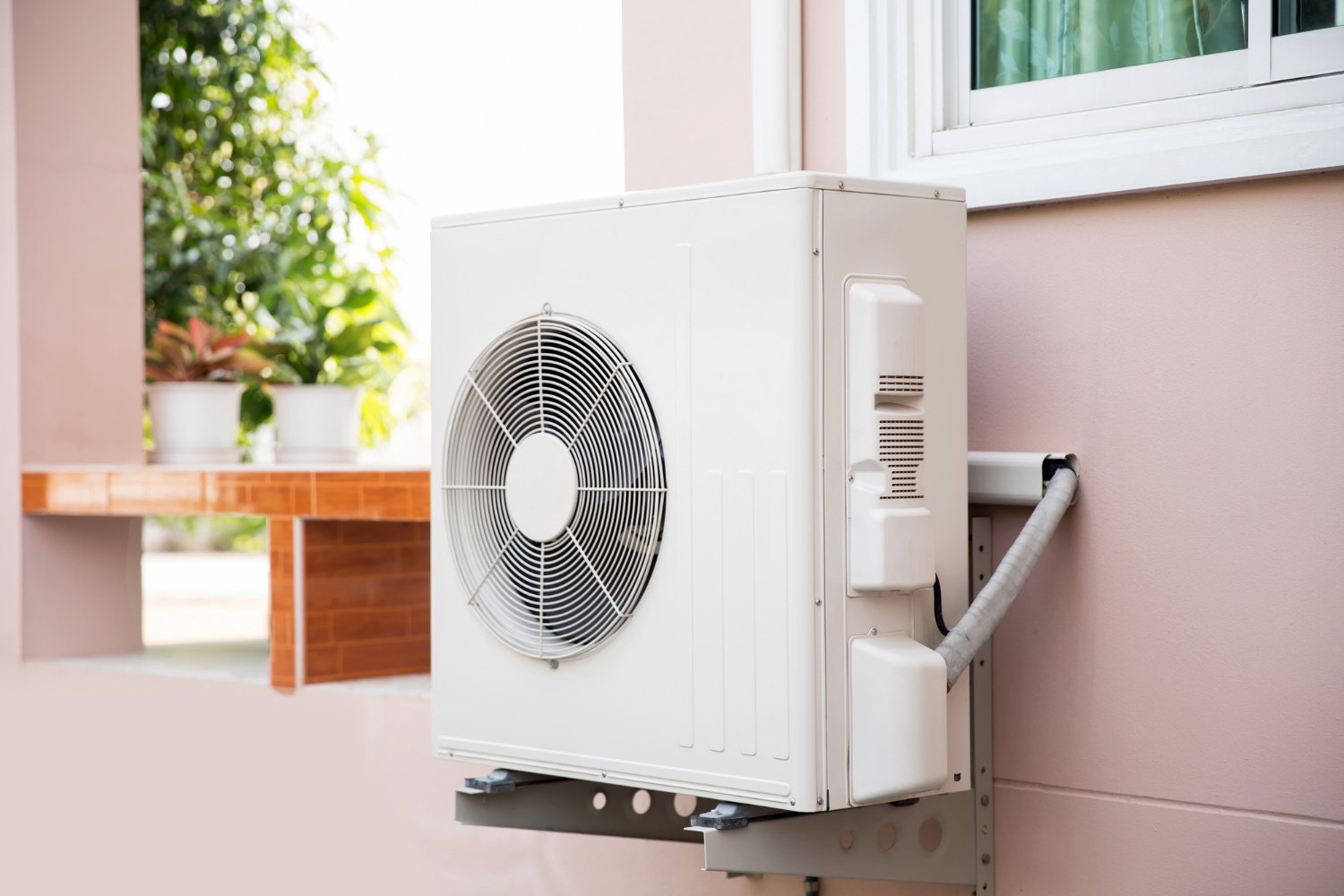
Modern controls allow smarter fan profiles and staging. With the right setup, the system runs steadier, holds setpoint without big swings, and keeps the home feeling evenly warm.
What if I’ve kept up with maintenance but I’m still uncomfortable?
That’s the moment for a diagnostic. Ask for static-pressure testing and room-by-room airflow checks. Sometimes small duct changes, a properly sized return, or a re-programmed blower profile solve what looks like a major mechanical problem.
How should I compare bids or second opinions?
Request each proposal’s testing basis, the scope of the fix, and the commissioning steps the contractor will perform after the repair. When you compare the approach, you’ll see who’s solving the cause vs. swapping components.
What’s the best way to keep my heater reliable for years?
Pair annual (or semiannual) maintenance with light homeowner care, keep filters clean, and fix airflow bottlenecks when they show up. Ask for and keep a running record of ΔT, static pressure, and key electrical readings. That trendline is the single best early-warning system your home can have.
Holt Phillips Services sends factory-trained technicians, provides a free, no-obligation, up-front estimate with no surprise costs or added fees, and has been the trusted HVAC expert for over 40 years under owner Randy Joyner. Contact Holt Phillips Services today to schedule maintenance, repair, or an expert diagnostic and get your heat performing the way it should.