
Short answer for skimmers:
Replace the air conditioner when it can no longer cool reliably, costs you more in energy and repairs than it should, or can’t control humidity even after professional maintenance. The clearest signs are:
- Frequent or costly breakdowns
- Rising utility bills with no weather change
- Uneven rooms or weak airflow
- Loud or grinding operation
- Persistent humidity
- System age in the double digits paired with declining performance
A professional evaluation should confirm this with real measurements before anyone recommends a new system.
How long does a central AC usually last?
Most central air conditioners deliver a solid run when cared for properly. Lifespan depends on climate, usage hours, maintenance quality, and whether the system was sized and installed correctly. Once the unit enters its second decade and you’re seeing comfort slip or repairs stack up, the math often tilts toward replacement. However, age alone isn’t a verdict. The real trigger is age plus symptoms.
What are the unmistakable signs it’s time to replace instead of repair?
Look for patterns like the following:
- Frequent service calls or one large repair that approaches the value of a newer system component.
- Spiking energy bills despite similar thermostat settings and weather.
- Hot and cold spots or vents that never seem to deliver enough air.
- Persistent humidity even when the thermostat says you’re at the right temperature.
- Too much noise.
- Refrigerant problems with hard-to-source or legacy blends.
- Electrical and control issues like failing capacitors or contactors that return soon after replacement.
If two or more show up together, it’s time for a professional replacement assessment.
Should I repair or replace my AC if the repair seems cheaper today?
Sometimes, a modest repair buys you years. Other times it’s a bandage on a system that’s mismatched, oversized, under-aired, or simply worn out. A smart approach weighs:
- System health.
- Airflow quality.
- Humidity control.
- Repair history.
If measurements show the unit working too hard to achieve basic comfort, a new system can out-save repeated fixes.
Why does humidity matter so much when deciding on replacement?
Air that is cool but clammy isn’t comfort. High indoor humidity drives mold risk, warps flooring, and makes rooms feel warmer than the thermostat reading.
Systems that are oversized or poorly controlled run short cycles and don’t wring out moisture. Newer equipment with the right capacity, better airflow, and smarter controls can maintain lower humidity at higher thermostat setpoints, meaning you feel better without chasing colder temperatures.
What is the biggest mistake people make when replacing an AC?
The number one issue is replacing “like for like” without measuring the home. Square footage alone is not a load calculation. A proper assessment evaluates:
- Insulation levels and window quality
- Orientation and sun exposure
- Duct layout and restrictions
- Measured static pressure and available airflow
- Infiltration and return path design
- Occupancy patterns and internal heat gains
Skipping this discovery work can create the same comfort problems you had before…only now you’ve paid for them.
What should a professional check before recommending replacement?
Expect a data-driven evaluation that includes:
- Room-by-room load review.
- Static pressure testing to confirm the ducts can actually deliver required CFM.
- Refrigerant line set inspection and a plan to replace or properly flush.
- Electrical verification for the disconnect, breaker, and wire gauge.
- Condensate strategy to prevent leaks.
- Equipment placement for airflow, serviceability, and corrosion resistance.
- Controls and zoning recommendations.
If none of this shows up, you’re not getting a complete picture, and it could be a shady company selling you something you don’t really need.

What features should I look for in a new AC system?
Focus on comfort and longevity, not just a spec sheet:
- Capacity and staging: Two-stage or variable-speed equipment can run longer, quieter cycles that remove more humidity and maintain even temperatures.
- Coil construction: Materials and coatings that resist corrosion help in challenging environments.
- High-quality blower and ECM motors: Better airflow control, quieter operation, and less energy waste.
- Smart controls: Thermostats that support dehumidify modes, intelligent fan profiles, and clear system diagnostics.
- Filter access and size: A well-sized filter rack reduces static pressure and improves indoor air cleanliness without choking airflow.
- Serviceability: Thoughtful clearances, properly labeled wiring, and accessible components make future maintenance faster and more reliable.
Do I need to replace my ductwork when I replace the AC?
Not always. If static pressure is high, returns are undersized, or supply branches are kinked, the new system will inherit those limits. The best time to fix ducts is during replacement, when access is planned and the system is already offline. Even small upgrades, like adding a dedicated return or opening a restrictive filter rack, can transform comfort.
How long does AC replacement take?
Most replacements are completed in a day once permitting and equipment logistics are handled. More complex projects can add time. The real signal of quality isn’t the stopwatch. Instead, it’s the commissioning report at the end showing airflow, charge, and performance improvements.
What should I expect on installation day?
A professional crew will protect floors and work areas, remove old equipment, and install the new system with best practices:
- Clean brazed joints with nitrogen purging
- Deep vacuum evacuation to verify a tight system
- Charge verification by weight plus superheat/subcool readings
- Airflow balancing and thermostat calibration
- Drain safety checks with float switch verification
You should receive a start-up report and guidance on filters, drain line care, and thermostat settings.
What is commissioning and why does it matter?
Commissioning is the proof that your new system is doing what it’s designed to do. Technicians measure:
- Airflow and static pressure to confirm duct performance
- Delta-T to verify sensible cooling across the coil
- Refrigerant performance via superheat and subcool
- Electrical health with amp draw and component checks
- Protections and safeties including condensate overflow devices
These numbers tell you whether the system will run efficiently, keep humidity low, and avoid premature wear.
Will a new AC lower my energy bills?
A new system installed and commissioned correctly often uses less energy to deliver the same (or better) comfort. The biggest gains come from right-sizing, tight ductwork, efficient blower control, and smarter runtimes that manage humidity. If your current unit is limping along or short cycling, improvements can be noticeable without changing your thermostat habits.
Can a new AC make my home quieter?
Yes. Variable-speed compressors and ECM blowers run at lower speeds for longer periods, which reduces noise spikes from frequent starts and stops. Properly sized returns and well-sealed ducts also eliminate much of the whooshing and rattling that comes from high static pressure.
What should I do to prepare my home for replacement day?
A little prep keeps things smooth on replacement day. Consider the following:
- Clear a path to the air handler and outdoor unit
- Secure pets and plan for a door ajar during equipment moves
- Note any comfort trouble spots to discuss with your technician
- Replace or remove obstructive grills or furniture near returns
- If you have smart home devices, be ready with Wi-Fi credentials for thermostat setup

Do I need to replace the thermostat too?
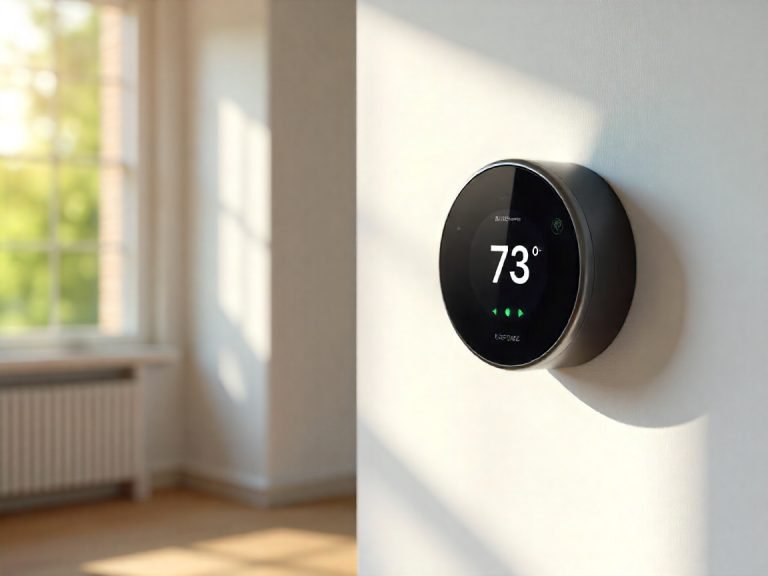
Not always. But if you’re upgrading to staged or variable-speed equipment, a compatible thermostat can unlock the features you’re paying for, especially humidity control, dehumidify-on-demand modes, and more precise fan management.
What questions should I ask before I sign off on a replacement?
Use this quick checklist:
- How was the system size determined — by calculation and measurements, or by rule of thumb?
- What is the plan if static pressure is high?
- Will the refrigerant line set be replaced or properly flushed and pressure-tested?
- How will condensate be protected against overflow?
- What commissioning measurements will I receive?
- Who will register the warranty, and what are the maintenance requirements to keep it valid?
Clear answers here separate careful installers from box swappers. Unscrupulous companies will quickly bail when they don’t have the answers to these questions.
What can go wrong if replacement isn’t done correctly?
Common pitfalls include:
- Oversizing that leaves the home cool but humid
- Under-aired systems that struggle to move the required CFM
- Improper charge that harms efficiency and stresses the compressor
- Poor condensate management that risks water damage
- No commissioning so problems hide until peak season
Each of these is preventable with a thorough evaluation and disciplined installation.
How do I make sure I’m comparing apples to apples between contractors?
Request proposals that include the load calculation basis, duct and static findings, line-set plan, drain protections, commissioning steps, and warranty details. When each bid follows the same line items, you can compare the approach.
What’s the smartest way to extend the life of a new AC?
After installation, stick to routine maintenance and light homeowner care:
- Keep a clean, properly sized filter in place
- Keep vegetation and debris away from the outdoor unit
- Pour a small amount of distilled vinegar into the condensate line periodically to discourage algae, if recommended for your system
- Use thermostat programs that let the system run steady, humidity-friendly cycles
Regular professional checkups catch small issues before they become big ones.
Why choose a contractor that uses factory-trained technicians?
Because the difference between “installed” and installed right shows up in your comfort, your bills, and your system’s lifespan. Factory training aligns the crew with the latest procedures for brazing, evacuation, charge adjustment, airflow balancing, control setup, and diagnostics. It also means faster troubleshooting if something isn’t perfect.
Who can I trust to evaluate, replace, and commission my AC the right way?
Choose a team that leads with measurement, shows you the data, and explains options, then stands behind the work with transparent quotes and neighbor-first service. Holt Phillips Services does exactly that with factory-trained technicians, a free, no-obligation, up-front estimate with no surprise costs or added fees, and decades of hands-on experience. If you’re wrestling with the repair-or-replace decision, or you’re ready for a thoughtfully designed new system, contact Holt Phillips Services today and we’ll walk you through your best next step.