
Straight to the point answer:
The right AC “size” is its cooling capacity (measured in tons or BTU/hr) determined by a room-by-room load calculation — not square footage rules of thumb. A professional measures heat gains from insulation, windows, orientation, air leakage, occupants, and appliances, checks ductwork and static pressure, and then matches equipment capacity and airflow so the system runs steady cycles that remove heat and humidity. The result is a quieter, more efficient new AC that keeps temperatures even and air drier, without short cycling.
What does “size” actually mean for an AC?
“Size” isn’t physical dimensions. Instead, it’s referring to cooling capacity — the rate at which a system can remove heat. In North America, that’s expressed in tons (one ton = 12,000 BTU/hr). A properly sized system runs steadier cycles that keep temperatures stable and humidity in check. An oversized unit may hit the setpoint fast, but it won’t run long enough to dry the air, whereas an undersized unit runs constantly and still can’t catch up on the hottest afternoons.
How is AC size really determined?
Pros use a room-by-room load calculation (often referred to as Manual J) that considers your home’s envelope and how you live. Then they confirm that your ducts can actually move the required airflow (static pressure + CFM) and select equipment (Manual S) that will meet the load without oversizing. Finally, they design duct changes as needed (Manual D) so the system you buy can breathe.
Why do square-footage rules of thumb fail?
Rules of thumb ignore the very things that create the load: window area and direction, insulation upgrades, air sealing, ceiling vaults, open floor plans, and local construction quirks. Two 2,000-square-foot homes can have wildly different loads. Relying on “one ton per X square feet” is how people end up with short-cycling, clammy systems that never feel quite right, even if the thermostat number looks fine.
How does humidity change the sizing conversation?
Comfort is temperature and moisture. A right-sized new AC runs long enough to dehumidify. An oversized one sprints to the setpoint, shuts off, and leaves the air sticky. That “cool-but-clammy” feeling is classic oversizing. Proper sizing, smart airflow, and modern controls let you hold a slightly higher temperature while feeling better because the air is actually drier.
Do variable-speed or two-stage systems fix sizing mistakes?
They help, but they don’t erase a bad size. Staged and variable-speed equipment can dial down output to run longer cycles and remove more moisture. But if capacity is wildly too large for the load, even a sophisticated system will still tend to cycle short. Start with the load, then let modern equipment fine-tune comfort.
How do ducts and static pressure affect the “right” size?
Airflow is the other half of capacity. If your return is undersized or supply runs are restrictive, the blower can’t deliver the CFM your equipment needs. That raises static pressure, increases noise, stresses motors, and torpedoes dehumidification. Many “need a bigger AC” complaints are actually airflow problems. The best time to correct them is during AC replacement, when the system is already open and accessible.
What should a professional measure before recommending a new AC?
A quality assessment anchors the decision in data. Expect measurements for:
- Room-by-room loads
- Static pressure and delivered CFM
- Temperature split (ΔT) across the coil
These numbers translate into comfort you can feel.
What is “commissioning,” and why does it prove the size is right?
Commissioning is the final exam for your new AC. After installation, technicians verify airflow and static pressure, confirm refrigerant charge by weight plus superheat/subcool, check amp draw, and validate protections like drain safeties. If the measured performance aligns with the load calculation and design airflow, you’ve got a system that’s matched to your home.
Will higher efficiency (SEER2) solve comfort problems on its own?
Efficiency ratings reflect how little energy a unit needs to deliver a given amount of cooling. That’s good, but efficiency does not fix an oversized or under-aired system. The biggest comfort upgrades usually come from right-sizing, healthy airflow, and smarter controls that manage humidity. Efficiency is the cherry on top once the fundamentals are right.
How can I sanity-check a proposed size from a contractor?
Ask for the load calculation summary and duct/static readings. A trustworthy proposal shows how capacity was determined, what airflow the ducts can deliver, and any recommended duct adjustments. If the only justification is square footage or “what you had before,” press for measurements or get a second opinion.
What role do thermostats and controls play in comfort after replacement?

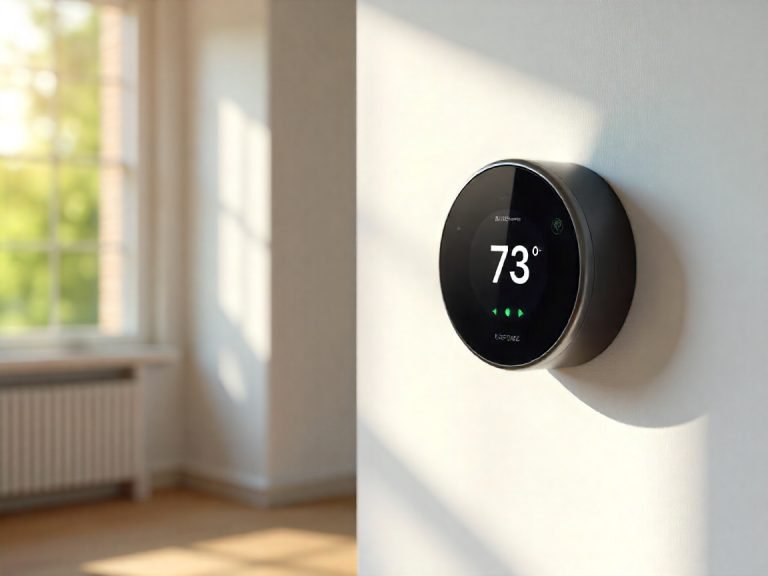
Modern controls can run the blower at lower speeds for longer, coordinate staging, and use “dehumidify” modes that slightly overcool the coil to pull more moisture when needed. Paired with a right-sized system and good airflow, the thermostat becomes a comfort dial.
Does the refrigerant line set matter when installing a new AC?
Yes. Line sets that are too small, too long, dirty, or kinked degrade performance and shorten compressor life. Part of a professional replacement plan is inspecting that tubing and either replacing it or properly flushing, pressure-testing, and evacuating it so your new AC can operate as designed.
Is bigger always louder and will a right-sized system be quieter?
Right-sized systems are typically quieter because they run steady instead of jerking from on to off. When duct static is corrected and returns are sized properly, air noise drops dramatically. Staged/variable equipment further trims noise by operating at lower speeds most of the time.
What preparation should I do before a sizing visit?
Jot down where comfort falters, including rooms that lag, humidity spikes, times of day with swings, and any noise. Replace a clogged filter so airflow readings aren’t skewed. Clear access to the air handler and outdoor unit. If you use smart thermostats or sensors, have that data handy. It can confirm patterns technicians can design around.
What happens on installation day for a properly sized system?
Good crews protect floors, remove the old equipment, and install the new system with clean brazed joints and nitrogen purging, then pull a deep vacuum to confirm a dry, tight system. They verify charge and airflow with instruments, balance supplies and returns, and calibrate the thermostat. You should receive a startup report you can keep.
If I’m between two sizes, how do I choose?
Let the load and ducts lead. If the calculation and duct design support the smaller capacity and you’re adding humidity-savvy controls, choose the smaller one. Your comfort will benefit from longer cycles and better moisture removal. If your home has unusual peaks, a modest increase with staging can be appropriate. Don’t jump sizes to “be safe.” Everything must be measured.
What’s the single best way to protect my investment after replacement?
Keep airflow healthy and let the system run steady. That means a correctly sized filter (often deeper media for lower resistance), a clear outdoor coil, and regular professional checkups that verify ΔT, static pressure, and electrical health. Small course corrections keep a right-sized system performing like the day it was installed.
Why work with a team that uses factory-trained technicians?
Because the difference between “installed” and installed right shows up for years with steadier comfort, lower energy use, fewer repairs, and a longer system life. Factory training keeps the crew current on brazing, evacuation, charge optimization, airflow balancing, and diagnostic techniques that lesser installs skip, exactly the details that safeguard your investment.
Bottom line: how do I make sure my next AC is the right size?
Insist on measurement. A contractor should calculate your load, test your ducts, design airflow, and commission the new system against those targets. When capacity, airflow, and controls align, your home feels consistently cool and dry and your new AC runs quietly and efficiently.
If you’re weighing AC replacement or comparing bids for a new AC, talk to a team that leads with data. Holt Phillips Services uses factory-trained technicians and provides a free, no-obligation, up-front estimate with no surprise costs or added fees—backed by decades of hands-on experience.
Contact Holt Phillips Services today and we’ll help you choose and commission a system that’s truly the right size for your home.