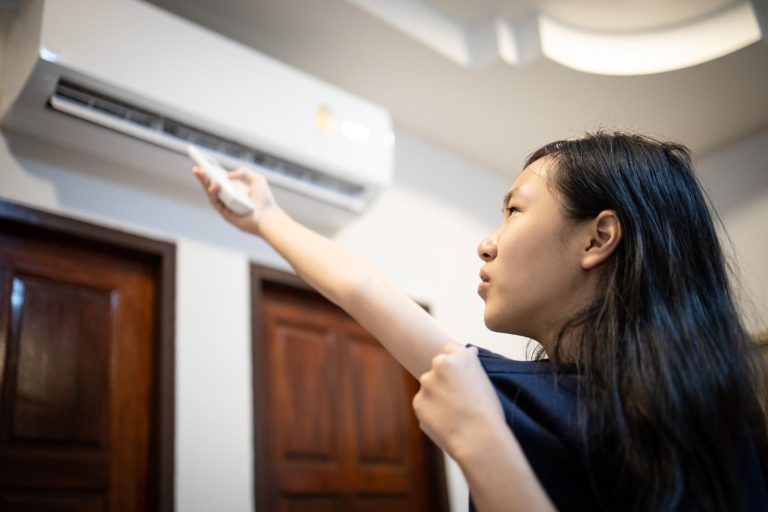
If your AC is not blowing cold air in Florida, the most common causes are a dirty air filter, low refrigerant, thermostat issues, or a blocked outdoor unit. In hot, humid climates like the Panhandle, airflow problems are especially common.
QUICK ANSWER:If your AC is blowing warm air, the issue is usually caused by restricted airflow, low refrigerant levels, thermostat problems, or component failure. In Florida, high humidity and coastal conditions can make these problems appear more quickly. In some cases, a clogged filter or dirty outdoor unit reduces cooling. In others, internal components or refrigerant issues prevent the system from removing heat effectively. A professional AC technician can diagnose the issue by checking airflow, refrigerant pressure, and system performance.
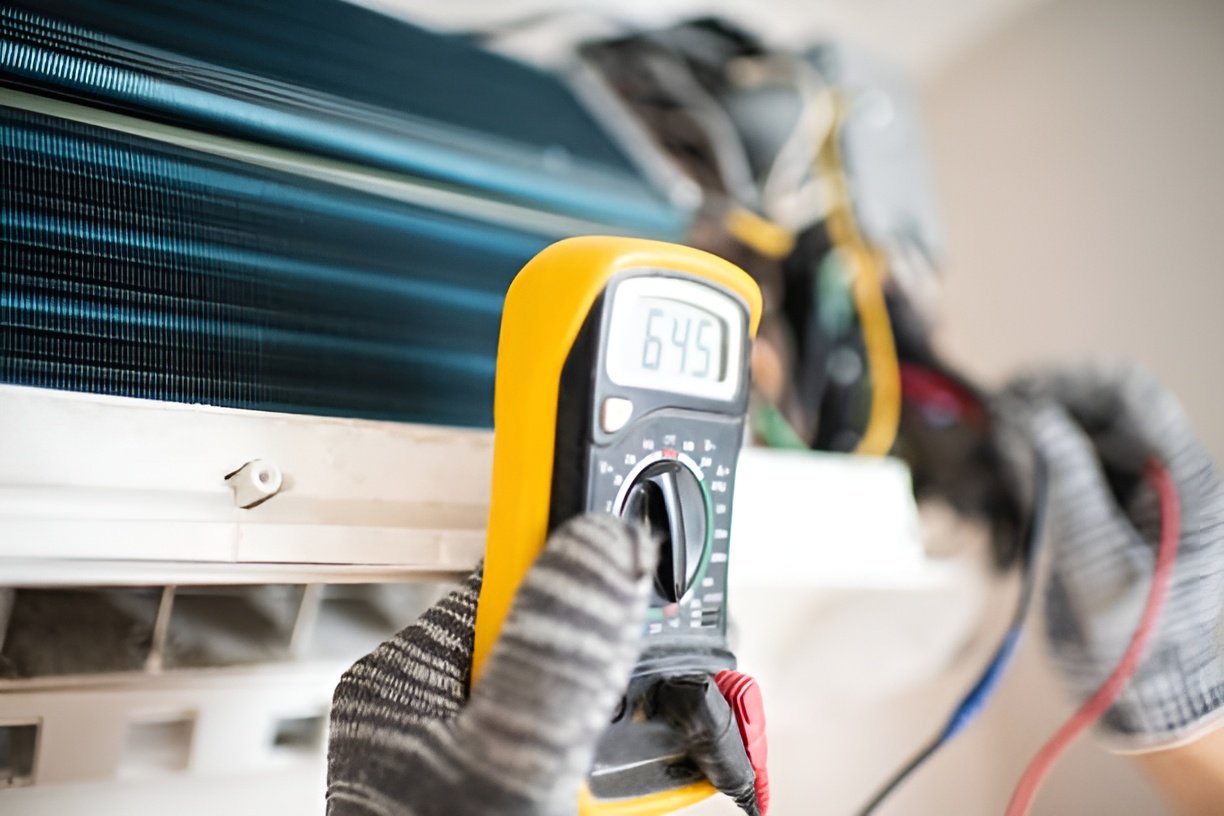
Why Is Your AC Not Blowing Cold Air?
When your AC starts blowing warm air, it usually means the cooling cycle isn’t completing properly.
Your system doesn’t just turn on and produce cold air instantly. It follows a process. First, the thermostat signals the system. Then the refrigerant absorbs heat from inside your home. That heat is released outdoors through the condenser.
Only when this process runs correctly do you get consistent cooling, especially when following cooling efficiency guidelines.
If any part of that cycle is disrupted, air may still flow, but it won’t be cold.
From what we see out on service calls around Niceville and Destin, systems often continue running even when cooling performance drops. That’s why homeowners feel airflow but not relief.
What Are the Common Causes of an AC Not Cooling Properly?
Dirty Air Filter
A clogged air filter restricts airflow, reducing your system’s ability to cool. In Florida homes, especially those near the coast or along busier roads, filters tend to clog faster due to humidity, salt particles, and fine debris in the air.
We often see filters completely packed after just a short period, especially during spring when systems start running daily again.
Low Refrigerant Levels
If your system is low on refrigerant, it can’t remove heat effectively. This is one of the most common causes of an air conditioner blowing warm air, and in most cases, it points to a leak somewhere in the system.
In high-use areas like the Panhandle, refrigerant issues appear sooner because systems run longer and harder.
Thermostat Issues
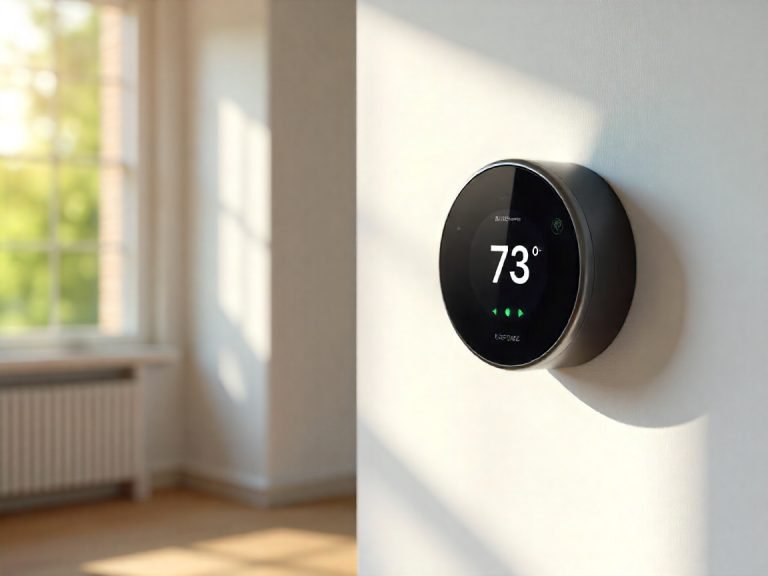
Sometimes the issue isn’t the AC unit, it’s the thermostat. In Florida homes, frequent cycling and long run times can expose sensor issues or incorrect calibration.
We’ve seen cases where a thermostat reads slightly off, causing the system to shut down too early or not cool long enough to properly remove humidity.
Frozen Evaporator Coil
High humidity combined with restricted airflow can cause the evaporator coil to freeze. This is especially common during early spring when systems kick back on after lighter winter use.
Once the coil freezes, airflow drops, and your system may start blowing warm or weak air.
Dirty Condenser Unit
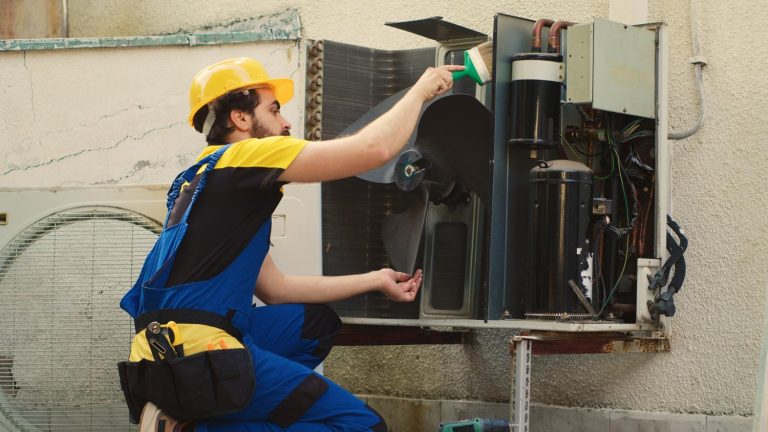
Outdoor units take a beating in coastal areas like Destin and Panama City Beach. Salt air, sand, and debris build up on the coil, blocking heat from being released properly.
We regularly see units near the waterline that look clean from a distance but have a thin layer of salt buildup that’s enough to reduce cooling performance.
Electrical or Component Failure
Parts like capacitors and contactors wear down over time. In Florida, where AC systems run year-round, these components are under constant load.
It’s common for a system to still run, but not cool, when one of these parts starts to fail.
What Can You Check Before Calling for Repair?
Before scheduling AC service, there are a few quick checks that can save you time:
- Replace or inspect your air filter
- Double-check thermostat settings
- Make sure the outdoor unit isn’t blocked by debris or vegetation
- Check vents in rooms that tend to heat up more, especially sun-facing areas
If your home still feels warm after these steps, the issue likely needs a proper diagnosis.
When Should You Call a Professional for AC Repair?
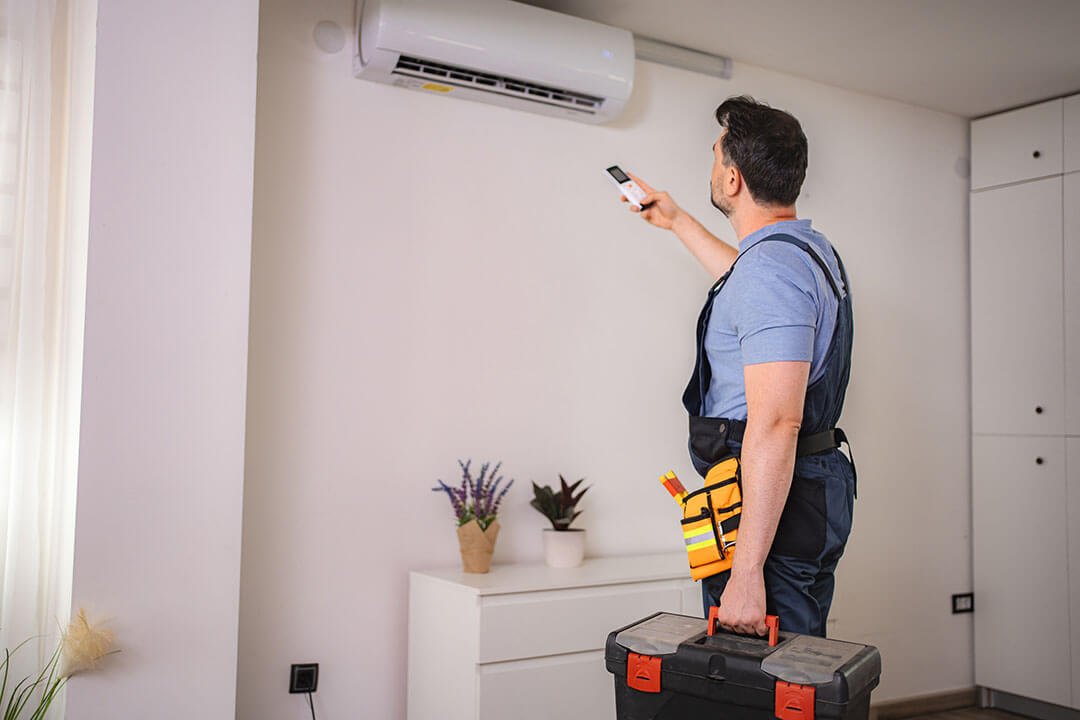
If your AC continues blowing warm air, it’s time to get it checked before the problem gets worse.
Call for service if:
- Warm air continues even after basic checks
- Cooling drops off suddenly during the day
- Airflow feels weak in multiple rooms
- Your system runs constantly, but never reaches the temperature
At that point, professional AC repair is the fastest way to get your system back to normal.
How Does Florida’s Climate Affect AC Performance?
Florida’s climate creates constant pressure on your AC system, especially when considering Florida indoor air quality guidance.
- High humidity means your system is always removing moisture
- Salt air near the coast speeds up wear on outdoor components
- Long cooling seasons leave little downtime for recovery
In many Panhandle homes, especially single-story slab-on-grade properties, heat and humidity tend to settle and linger indoors. Your AC has to work longer cycles just to keep things balanced.
As warm air moves across the coil, moisture is pulled out and drained away. When airflow or system performance drops, that moisture stays in the air, making your home feel warmer even if temperatures don’t change much.
Maintaining indoor conditions in line with indoor humidity recommendations helps your system perform better and keeps your home more comfortable.
Why AC Systems Struggle in Florida Heat & Humidity
Florida puts more demand on AC systems than almost any other state. The combination of high heat, heavy humidity, and long cooling seasons means your system rarely gets a real break.
Most systems in states like Georgia or Tennessee run 4–6 months a year. Along the Panhandle, your AC may run 9–10 months. That continuous load accelerates wear on every component; filters clog faster, coils build up more residue, and electrical parts like capacitors wear down sooner.
When a system is already under strain from the climate, even a minor issue like a slightly dirty filter or a small refrigerant leak can push it over the edge and cause it to stop cooling effectively.
How Humidity Affects Cooling Performance
Your AC does two jobs in Florida: it cools the air and removes moisture. When humidity is high, the system has to work harder and longer just to make your home feel comfortable.
If your AC is running but your home still feels warm and sticky, humidity is often the real issue. The system may be cooling the air to the right temperature, but not pulling enough moisture out. This can happen when airflow is restricted, the coil is dirty, or the system is slightly undersized for the load.
In coastal areas like Destin and Panama City Beach, salt air adds another layer. It coats outdoor coils and reduces their ability to release heat, which compounds the humidity problem indoors.
Signs Your AC Can’t Keep Up With Florida Heat
Sometimes the issue isn’t a sudden failure, it’s a gradual decline. Here’s what to watch for:
- Your home takes much longer than usual to cool down
- Humidity feels high even when the AC is running
- Certain rooms, especially sun-facing ones, never quite reach the set temperature
- Your system runs almost constantly without cycling off
- Energy bills are rising without a clear reason
These are signs your system is working harder than it should. In Florida’s climate, catching these early almost always means a simpler, cheaper fix than waiting until the system stops cooling entirely.
How Florida’s Climate Affects AC Usage?
Staying ahead of problems is key in Florida.
- Change filters regularly
- Keep outdoor units clean
- Schedule seasonal inspections
- Address small issues early
Routine AC maintenance helps prevent breakdowns and keeps your system running all season efficiently.
Why Does Professional AC Repair Matter?
Proper repair ensures:
- Accurate diagnosis
- Restored performance
- Fewer repeat issues
- Longer system life
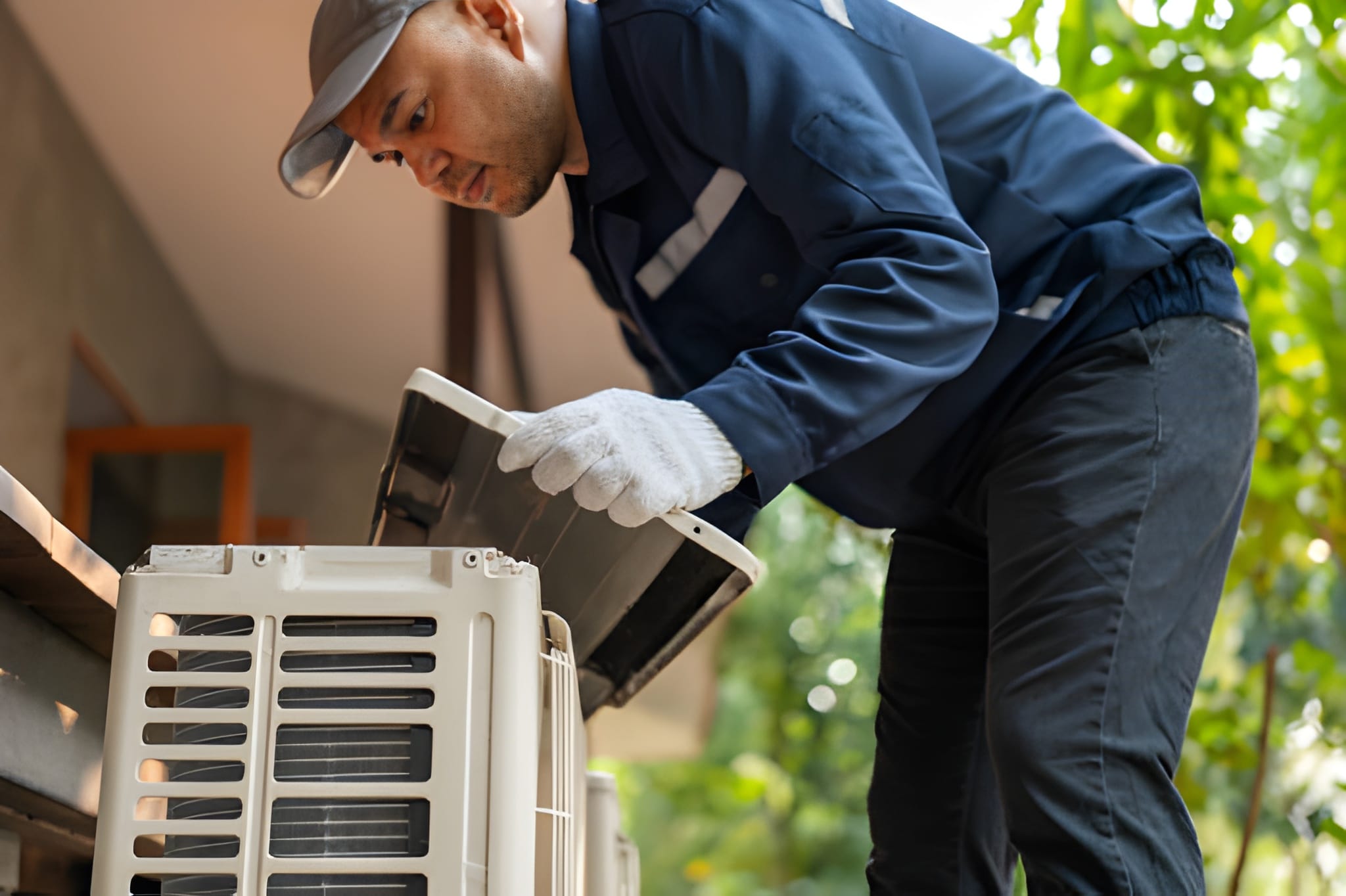
Need Fast Help with an AC Not Cooling?
If your AC isn’t cooling, don’t wait. Florida heat doesn’t give you time.
We provide full HVAC services across the Florida Panhandle, including Destin, Niceville, and surrounding areas.