QUICK ANSWER:AC repair cost Florida Panhandle homeowners pay can vary depending on the issue, system age, replacement parts, and how urgently service is needed. Smaller repairs may involve airflow or electrical components, while larger repairs can involve compressors, refrigerant leaks, or major system failures. In coastal areas like Destin and Panama City Beach, salt air and heavy system use can also increase long-term wear on HVAC equipment.
Why does AC repair cost so much in the Florida Panhandle?
Most homeowners don’t think much about their air conditioner until it suddenly stops cooling during a stretch of extreme Florida heat. Then the questions start quickly: Is this a small repair or a major problem? Why are repair prices different from one issue to another? Is the system even worth fixing?
The reason AC repair costs Florida Panhandle homeowners experience can vary so widely comes down to several factors working together. Your system’s age, the failed component, labor involved, accessibility, and how long the issue has been developing all affect the final repair cost.
Northwest Florida homes also place heavy demands on HVAC systems. Long cooling seasons, constant humidity, and salt-heavy coastal air create conditions where air conditioners often run hard for much of the year. Systems near Destin, Fort Walton Beach, and Panama City Beach commonly experience corrosion and moisture-related wear faster than equipment farther inland.
An AC repair service involves diagnosing airflow problems, refrigerant issues, electrical failures, thermostat malfunctions, and cooling performance concerns to restore safe, dependable indoor comfort.
If your cooling system is already struggling during Florida’s long summer heat, addressing the issue early can help prevent larger repair costs later.
Repair pricing can vary based on system age, refrigerant type, coastal exposure, and whether emergency service is required.
| Common Panhandle HVAC Repair | Typical Local Cost Range | What Usually Impacts Cost |
| Diagnostic & Service Call | $89 – $150 | Emergency timing, after-hours dispatch, and system accessibility |
| Capacitor or Relay Replacement | $150 – $350 | OEM vs. universal parts and electrical system compatibility |
| Condensate Drain Line Cleaning | $125 – $300 | Severity of blockage, algae buildup, and float switch condition |
| Refrigerant Leak Detection & Recharge | $350 – $900+ | Refrigerant type, leak location, and amount of refrigerant required |
| Evaporator or Condenser Coil Replacement | $1,500 – $3,500+ | Coil availability, labor complexity, and coastal corrosion damage |
What are the most common AC repairs that affect cost?
Not every HVAC issue carries the same repair cost. Some repairs involve quick component replacements, while others require more extensive diagnostics or labor-intensive work inside the system.
Refrigerant leaks
Refrigerant leaks are one of the most common cooling problems we see during Florida summers. Refrigerant allows the system to absorb and move heat out of your home. When levels drop because of leaks, the system loses cooling capacity and starts running longer cycles.
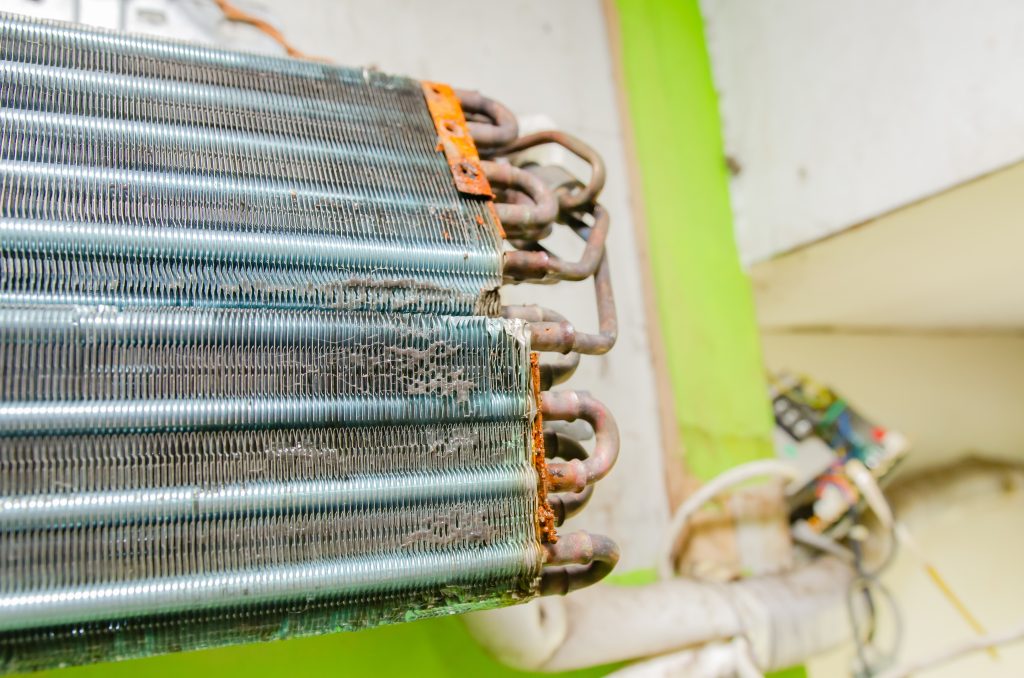
Homes near the Gulf often experience corrosion-related leaks earlier because salty coastal air gradually wears down copper lines and outdoor components. Our team has seen many Florida Panhandle systems develop corrosion-related issues sooner in coastal communities closer to the Gulf. Smaller leaks may be repairable, while larger coil failures can increase costs significantly.
Capacitor and electrical failures
Capacitors help your air conditioner start and operate properly. During storm season across the Florida Panhandle, electrical surges and heavy cooling demand place additional stress on these components.
When a capacitor fails, the outdoor condenser may struggle to turn on, make clicking sounds, or stop cooling altogether. Electrical repairs can vary in cost depending on whether the issue involves isolated components, damaged wiring, or broader system strain.
Frozen evaporator coils
Frozen coils usually point to restricted airflow, refrigerant problems, or blower motor issues. Homeowners often notice weak airflow or warm air from vents before realizing ice has formed inside the system.
Florida humidity makes airflow issues especially important. When systems cannot move air properly, moisture buildup and frozen coils can develop quickly during long cooling cycles.
Thermostat problems
In coastal communities like Destin and Panama City Beach, corrosive salt air can gradually affect low-voltage wiring connections and external HVAC sensors over time. That often leads to thermostat communication errors, short cycling, or systems that struggle to maintain stable temperatures during extreme summer heat spikes.
Modern smart thermostats may also create compatibility issues with older HVAC equipment if installation or calibration is not handled correctly. In our experience, some homeowners assume the air conditioner itself has failed when the actual problem is communication loss between the thermostat and the air handler.
Drain line clogs and water leaks
Condensate drain line problems are extremely common in Northwest Florida homes because air conditioners remove large amounts of humidity from the air daily. Algae buildup, standing moisture, and debris can eventually clog drain lines and trigger water leaks or system shutdowns.
Many homeowners first notice this problem when water starts pooling near the indoor air handler or humidity levels suddenly rise inside the home.
If your system is already struggling to keep up with Florida heat, Holt Phillips provides professional AC repair and cooling services focused on dependable comfort and accurate diagnostics.
Why are HVAC repair costs higher near Destin and Panama City Beach?
HVAC repair costs Panama City Beach homeowners encounter are often affected by Gulf Coast environmental conditions that place additional strain on outdoor equipment.
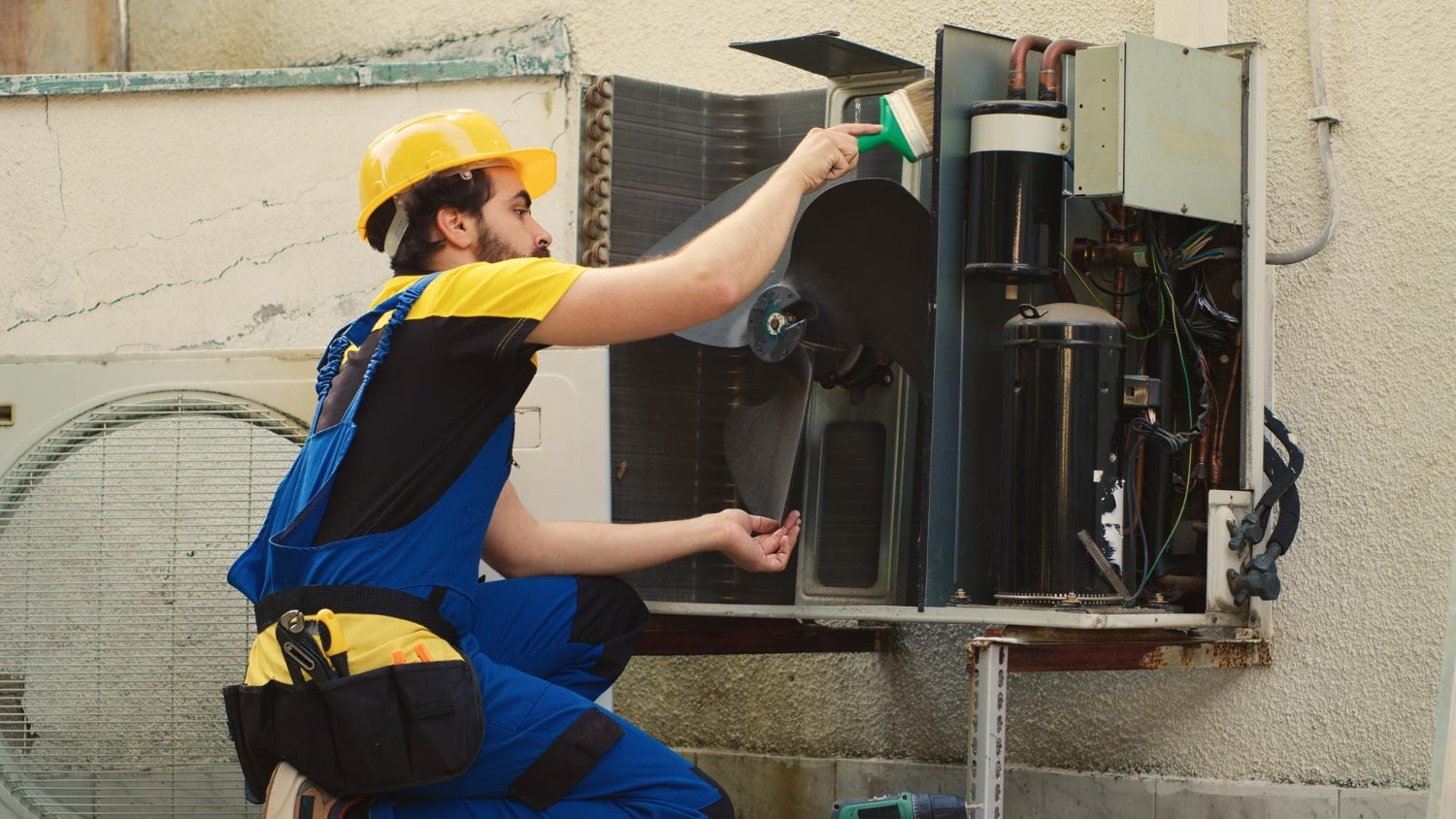
Salt exposure gradually affects condenser coils, electrical connections, fan motors, and cabinet surfaces over time. Air conditioners closer to the water often require more frequent coil cleaning, electrical repairs, and corrosion-related service compared to systems farther inland.
In homes near Destin Harbor, Okaloosa Island, and beachfront Panama City Beach communities, we commonly see outdoor units exposed to heavy salt moisture for extended periods during summer storms and coastal wind conditions. That environment can shorten the lifespan of condenser components and increase long-term repair frequency.
Heavy summer runtime also contributes to higher repair frequency. In many Florida Panhandle homes, cooling systems operate daily for much of the year because of persistent humidity and long periods of heat. Systems that run longer naturally experience more wear on moving parts like blower motors, capacitors, and compressors.
Emergency timing can also influence repair costs. A small issue caught early during a maintenance visit is often far less expensive than a full breakdown during a July weekend heat wave. We regularly see homeowners delay smaller repairs until cooling performance drops completely, which can increase both repair complexity and overall cost.
Can delaying AC repairs make the problem more expensive?
Yes, and this is one of the most common situations we see during peak summer months.
Small cooling issues rarely stay small when systems continue operating under heavy Florida heat and humidity. A clogged filter can eventually strain the blower motor. Low refrigerant can damage the compressor. Restricted airflow can freeze coils and increase pressure inside the system.
Many homeowners first notice subtle warning signs like:
- Weak airflow
- Warm air from vents
- High indoor humidity
- Strange noises
- Short cycling
- Rising utility bills
- Water leaks near the system
The challenge is that air conditioners often continue running even while internal damage is getting worse. The home may still feel somewhat cool, so the problem gets ignored until the system finally fails during extreme temperatures.
In our experience working in Northwest Florida homes, delayed repairs during heavy summer demand often lead to larger repair costs because the system has already been operating under strain for weeks or months. During stretches of high humidity in areas like Niceville and Bluewater Bay, systems may run nearly nonstop for days, which accelerates wear once airflow or refrigerant problems begin.
Homeowners looking for ways to stay ahead of expensive breakdowns can also review Holt Phillips’ current HVAC specials and savings throughout the year.
Is it better to repair or replace an older air conditioner?
That depends on the condition of the system, repair frequency, and long-term operating costs.
If your air conditioner requires frequent expensive repairs and is over 10–15 years old, replacement may be more cost-effective long-term.
Older systems in the Florida Panhandle often face additional stress because of extended runtime, high humidity, and coastal exposure. Once major components like compressors, evaporator coils, or blower motors begin failing repeatedly, repair costs can start adding up quickly.
In our experience working in Northwest Florida homes, older systems that struggle through long cooling seasons often become less reliable once repair visits start becoming frequent. Some systems also use older refrigerants that are becoming harder to source, which can increase future repair expenses.
That does not automatically mean replacement is necessary after every repair. Many homeowners still get years of dependable performance from existing equipment when problems are addressed early, and airflow, refrigerant levels, and electrical performance are properly maintained.
Does preventative maintenance reduce AC repair costs?
Regular maintenance is one of the most effective ways to reduce long-term repair costs and improve HVAC reliability in the Florida Panhandle.
According to the U.S. Department of Energy, proper HVAC maintenance helps systems operate more efficiently and reduces unnecessary strain on equipment over time. In Florida homes where cooling systems work hard for most of the year, routine inspections become even more important.
Preventative maintenance commonly includes:
- Coil cleaning
- Airflow testing
- Refrigerant inspections
- Electrical testing
- Drain line cleaning
- Thermostat calibration
- Blower performance checks
Homes near Destin and Panama City Beach often need additional attention because salt air and humidity create more buildup on outdoor components. We also see algae growth inside condensate lines increase significantly during stretches of nonstop summer humidity.
Routine maintenance helps identify worn parts before they fail. For many homeowners, that means fewer emergency service calls, more stable indoor comfort, and lower operating costs over time.
For larger repairs or long-term system planning, Holt Phillips also offers flexible HVAC financing options for qualifying homeowners.
What warning signs should homeowners never ignore?
Some HVAC problems should be evaluated quickly before they lead to more severe system damage.
Warm air coming through vents is one of the clearest warning signs that cooling performance is failing. Weak airflow may indicate duct restrictions, blower motor problems, or frozen evaporator coils. High humidity indoors often points to airflow or drainage problems that are preventing proper moisture removal.
Unusual sounds also deserve attention. Grinding, squealing, buzzing, or rattling noises can signal worn motors, loose components, or electrical issues developing inside the system.
Water leaks around the indoor unit should never be ignored either. In Northwest Florida homes, clogged condensate drains can eventually cause water damage, mold growth, or emergency shutdowns if left unresolved.
The earlier these issues are diagnosed, the better the chance homeowners have of avoiding larger repair costs and prolonged cooling interruptions during hot weather.
When should I call an HVAC contractor?
If basic troubleshooting does not resolve the issue, it is time to schedule a professional inspection.
You should contact an HVAC contractor if:
- The system blows warm air consistently
- Airflow feels weak throughout the home
- The outdoor unit struggles to start
- Utility bills suddenly increase
- Ice forms on refrigerant lines or coils
- The system cycles on and off repeatedly
- Water leaks appear near the air handler
- Strange sounds continue during operation
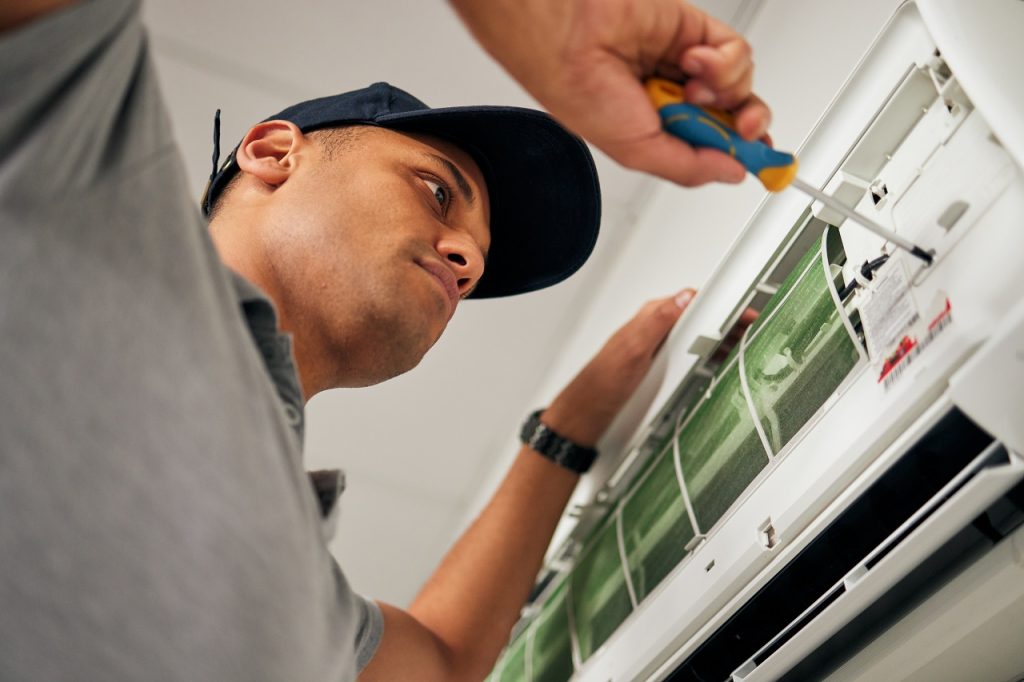
A proper diagnostic visit should include airflow evaluation, electrical testing, thermostat verification, refrigerant analysis, and inspection of major system components. Clear diagnostics lead to more accurate repairs and help homeowners avoid replacing parts unnecessarily.
Who should I trust for honest AC repair guidance?
Homeowners deserve more than rushed diagnostics and pressure to replace equipment before understanding the actual problem. Choosing the right HVAC company means finding a team that focuses on accurate troubleshooting, clear communication, and long-term comfort instead of quick sales tactics.
Holt Phillips Heating & Cooling has served homeowners across Niceville, Bluewater Bay, Destin, Fort Walton Beach, Panama City Beach, and surrounding Northwest Florida communities for decades. We understand the strain Gulf Coast weather places on cooling systems and the importance of dependable service during Florida heat.
In homes closer to Choctawhatchee Bay and the Gulf Coast, our technicians regularly diagnose corrosion, drainage buildup, and airflow restrictions tied directly to Northwest Florida humidity and salt exposure. Those local conditions require a different diagnostic approach than systems operating farther inland.
As a trusted local HVAC team, we focus on honest recommendations, responsive service, and helping homeowners make informed decisions about long-term comfort and system performance.