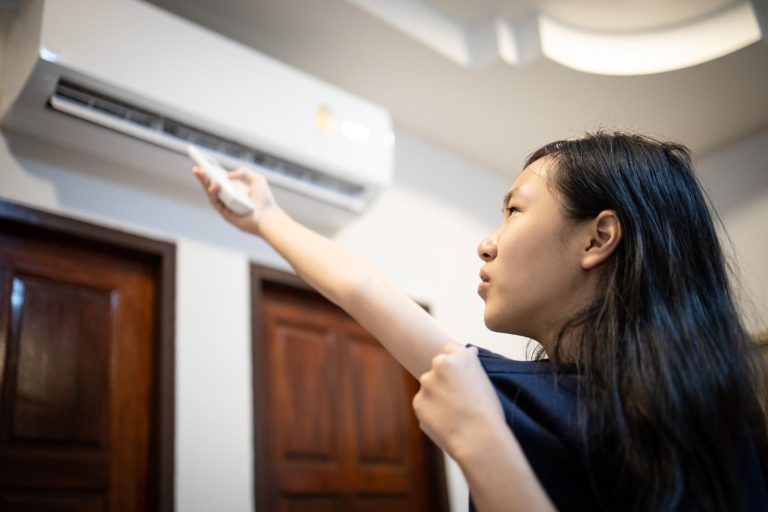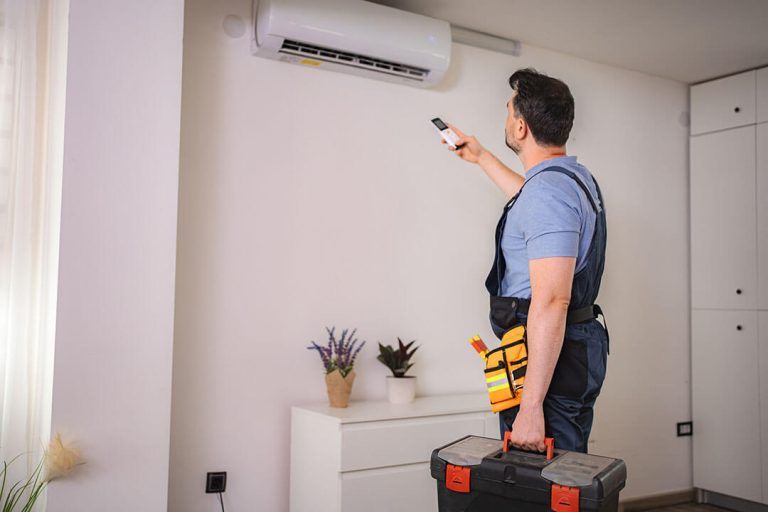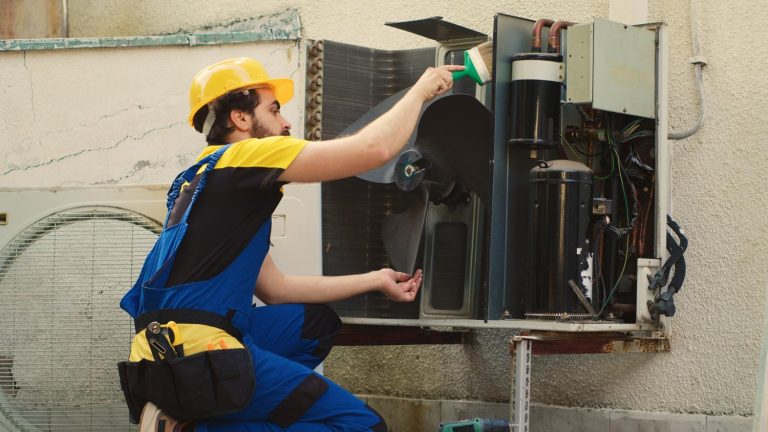
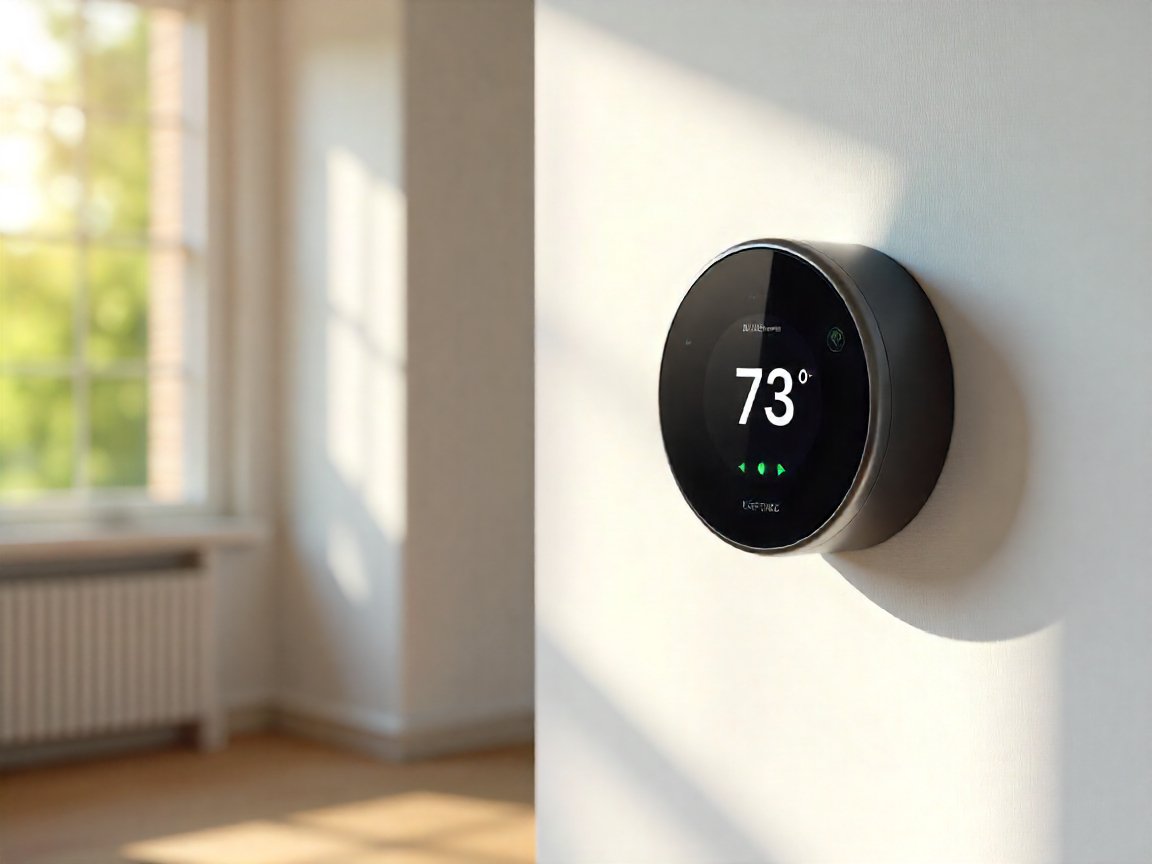
QUICK ANSWER: To prepare AC for summer, homeowners should replace air filters, clear debris around the outdoor unit, inspect airflow, test thermostat performance, and schedule preventative maintenance before extreme heat arrives. In Northwest Florida, long cooling seasons, Gulf Coast humidity, and coastal salt exposure place additional strain on AC systems well before peak summer temperatures hit. Addressing small cooling issues early can help reduce the risk of major breakdowns later in the season.
Why is it important to prepare your AC for summer?
Most homeowners do not think much about their cooling system until the first stretch of intense Florida heat arrives and the house suddenly feels humid, warm, or uncomfortable. By that point, many AC systems across Northwest Florida are already running long hours every day trying to keep up with rising temperatures and Gulf Coast humidity.
Preparing your AC system before summer helps reduce breakdown risk, improve efficiency, and maintain reliable cooling during extreme Florida heat.
Summer cooling demand in Florida places heavy strain on air conditioners. Homes in Niceville, Bluewater Bay, Destin, and Fort Walton Beach often experience long periods where systems run nearly nonstop because humidity levels remain high even overnight. Add attic heat, coastal salt exposure, and sudden summer storms, and small system issues can quickly become expensive repairs.
In our experience working in Northwest Florida homes, many mid-summer breakdowns begin as smaller airflow, drainage, or electrical problems during spring. Dirty coils, clogged drain lines, and weak capacitors may not seem urgent in mild weather, but once temperatures spike in July and August, systems begin struggling much harder.
Early preparation also helps homeowners avoid the peak-season rush when emergency service demand rises sharply across Florida. A preventative inspection before summer gives technicians time to identify worn components, airflow restrictions, refrigerant concerns, and thermostat issues before cooling performance starts falling behind.
What summer AC maintenance tips should homeowners handle before summer starts?
Getting AC ready for summer starts with basic maintenance that helps airflow, humidity control, and overall system efficiency. Many homeowners can handle a few early-season tasks themselves before scheduling a professional inspection.
One of the most important summer AC maintenance tips is replacing the air filter before cooling demand increases. A clogged filter restricts airflow, forces the blower motor to work harder, and can eventually contribute to frozen evaporator coils during heavy summer runtime. In Northwest Florida homes, filters often collect extra debris from pine pollen, humidity, and coastal particles during spring.
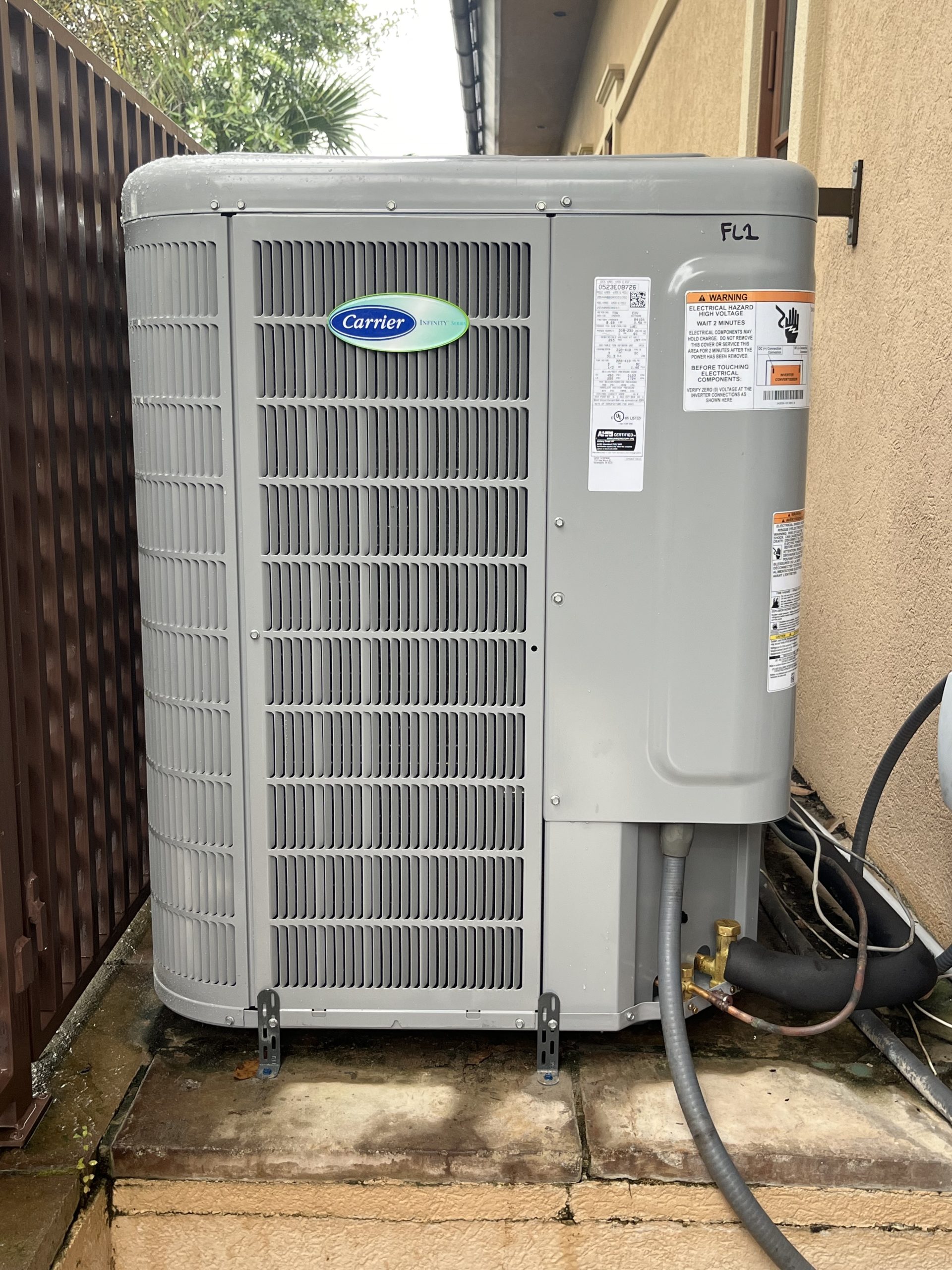
The outdoor condenser should also be inspected before summer begins. Leaves, mulch, weeds, and coastal debris can block airflow around the condenser coil and reduce cooling performance. We typically recommend maintaining at least two to three feet of clearance around the outdoor unit so heat can dissipate properly.
Homeowners should also:
- Check thermostat settings and batteries
- Confirm vents are open and unobstructed
- Monitor airflow throughout the home
- Flush condensate drain lines carefully
- Inspect exposed refrigerant lines for visible ice or moisture
- Trim vegetation surrounding outdoor equipment
Florida humidity creates additional drainage strain during summer, especially in homes near Destin and Panama City Beach, where condensate systems run heavily for months. In our experience, algae buildup inside drain lines becomes one of the most common causes of water leaks and float-switch shutdowns during peak cooling season.
Storm preparation also matters. Summer thunderstorms across Fort Walton Beach and surrounding areas often bring electrical fluctuations that stress capacitors and contactors. A professional inspection before summer can help identify weakened electrical components before they fail during extreme heat.
| Summer Preparation Vector | Primary Local Threat | Target Preventative Action |
| Condensate Drainage | Rapid algae blockages driven by nonstop humidity | High-pressure drain line flush and float-switch calibration |
| Outdoor Condenser Coil | Corrosive salt-air buildup near beachfront communities | Specialized coil cleaning to remove salt residue and restore airflow |
| Electrical Framework | Power surges from Northwest Florida summer storms | Capacitor testing and contactor inspection before peak runtime |
| Filtration Intake | Thick spring pine pollen mixed with Gulf moisture | Install fresh high-capacity filters before summer heat intensifies |
If your system already struggles to keep temperatures consistent, Holt Phillips provides professional AC repair and cooling services focused on dependable comfort and preventative system care.
Can dirty filters and coils affect cooling performance?
Yes, and homeowners are often surprised by how quickly airflow problems can affect cooling performance during Florida summers.
In high-humidity areas like Destin and Panama City Beach, restricted airflow from a dirty filter can cause the evaporator coil to drop below freezing surprisingly fast. Once heavy Gulf moisture reaches that freezing coil, condensation immediately turns to ice and begins choking off airflow even further during peak afternoon heat.
Dirty filters and evaporator coils force the system to run longer cycles while struggling to remove both heat and humidity from the home. As airflow weakens, the blower motor and compressor experience additional strain trying to maintain indoor temperatures during extended summer runtime.
In Northwest Florida, heavy pollen seasons, Gulf moisture, and nonstop summer runtime can accelerate coil buildup faster than many homeowners expect. We commonly see outdoor condenser coils near Destin and Panama City Beach accumulate coastal debris and salt residue that gradually reduce heat transfer efficiency.
In our experience working in Northwest Florida homes, systems with restricted airflow often struggle more with humidity control than temperature itself. Homeowners may notice the home feels damp or muggy even while the thermostat appears normal.
Restricted airflow can also lead to:
- Rising utility bills
- Uneven cooling between rooms
- Frozen refrigerant lines
- Longer cooling cycles
- Increased compressor wear
- Reduced indoor comfort
A clean filter and properly maintained coil help the entire HVAC system operate more efficiently during extended summer demand. Small airflow restrictions that seem manageable during spring weather often become much larger cooling problems once July humidity arrives.
Why do Florida AC systems struggle during summer?
Florida AC systems often struggle during summer because high humidity, coastal salt exposure, and extended cooling demand place continuous strain on airflow, electrical, and refrigerant systems.
Unlike regions where cooling systems cycle on and off periodically, many Northwest Florida homes experience cooling demand for much of the day and night throughout summer. In areas like Niceville, Fort Walton Beach, and Bluewater Bay, indoor humidity can rise quickly if the AC system falls even slightly behind.
Attic heat also creates additional stress. During peak summer afternoons, attic temperatures can become extremely hot, which forces ductwork and air handlers to work harder to maintain indoor comfort. Homes with restricted airflow or aging insulation often experience even longer cooling cycles during high-humidity stretches.
Coastal conditions create another challenge. Systems near Destin and Panama City Beach regularly encounter salt-heavy air that gradually affects outdoor coils, wiring connections, capacitors, and condenser components. In homes closer to the Gulf, we regularly see outdoor equipment develop corrosion-related wear much earlier than systems farther inland.
Summer storms also contribute to electrical strain. Sudden power fluctuations during thunderstorms can weaken capacitors, contactors, and surge-sensitive HVAC components. Some homeowners first notice these issues when the system struggles to restart properly after a storm passes through.
Many homeowners throughout Okaloosa County schedule preventative <a href=”https://www.holtphillips.com/service-area/niceville-fl/ac-maintenance/”>AC maintenance in Niceville, FL</a> before summer arrives to help reduce the risk of airflow, drainage, and electrical problems during peak cooling season.
What warning signs should you never ignore before peak heat?
Small cooling problems rarely stay small once extreme Florida heat arrives.
In Northwest Florida homes with elevated attic ductwork, weak airflow often means the system is already struggling against intense radiant attic heat. Homeowners should also watch for that “muggy” indoor feeling. If indoor humidity climbs above 60% while the thermostat still reads 72 degrees, the system may already be losing its ability to properly remove moisture from the air.
Warm air from vents should also be addressed quickly. In some cases, the issue involves refrigerant levels or electrical failures. In other situations, airflow problems or thermostat communication issues prevent the system from cooling effectively.
Other warning signs homeowners should never ignore include:
- Rising indoor humidity
- Water leaks near the air handler
- Frozen refrigerant lines
- Strange buzzing or grinding sounds
- Repeated short cycling
- Sudden increases in utility bills
- Delayed startup after thermostat adjustments
During prolonged humidity stretches across Northwest Florida, systems already operating under strain may continue running even while internal problems worsen. We regularly see homeowners delay spring repairs until the system finally fails during a July heat wave when cooling demand is at its highest.
Water around the indoor unit also deserves immediate attention. Condensate drain line clogs are extremely common in Florida homes because AC systems remove large amounts of moisture from the air every day. If left unresolved, those drainage problems can eventually lead to ceiling damage, float-switch shutdowns, or mold concerns.
Addressing smaller issues before peak heat arrives often helps homeowners avoid emergency breakdowns during the busiest part of summer.
Should you schedule professional AC maintenance when getting the AC ready for summer?
Yes, scheduling professional AC maintenance before summer is one of the best ways to reduce unexpected cooling problems during peak heat.
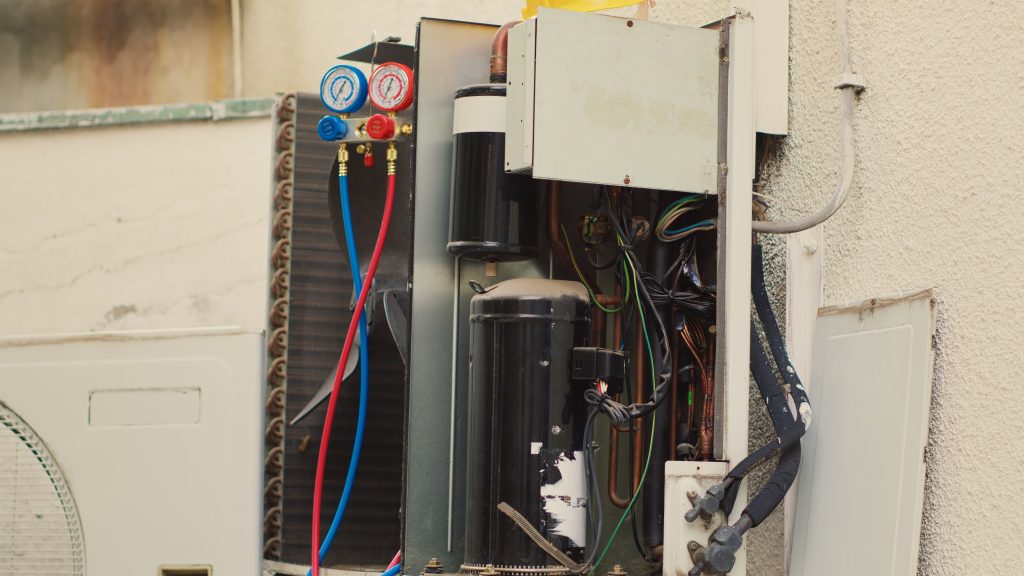
Professional maintenance involves more than simply replacing a filter or rinsing the outdoor unit. During a full tune-up, technicians inspect airflow performance, refrigerant operation, electrical components, thermostat communication, condensate drainage, blower performance, and overall cooling efficiency.
A professional summer inspection commonly includes:
- Refrigerant level verification
- Electrical testing
- Capacitor evaluation
- Thermostat calibration
- Condensate drain inspection
- Blower motor testing
- Airflow measurement
- Outdoor coil inspection
Many of the most serious summer breakdowns begin with smaller issues homeowners cannot easily identify on their own. Weak capacitors, partially restricted coils, drainage problems, and airflow imbalances often become much worse once systems begin running continuously during July and August.
In our experience working throughout Niceville, Destin, and Fort Walton Beach, preventative tune-ups often identify developing issues before homeowners even notice comfort problems indoors. Catching those issues early usually reduces both repair costs and emergency service interruptions later in the season.
Homeowners looking to prepare early for summer cooling demand can also review Holt Phillips’ current HVAC specials and savings before peak scheduling demand arrives.
How does preventative maintenance help reduce repair costs?
Preventative maintenance helps reduce repair costs by identifying smaller problems before they place major strain on the HVAC system.
According to Carrier’s air conditioner maintenance guidance, regular HVAC maintenance helps improve efficiency, reduce equipment strain, and support a longer system lifespan. In Florida homes where cooling systems often run daily for much of the year, preventative maintenance becomes even more important.
Routine inspections help technicians identify:
- Weak electrical components
- Restricted airflow
- Low refrigerant levels
- Drainage problems
- Dirty evaporator coils
- Early compressor strain
In our experience, neglected systems across Northwest Florida are far more likely to experience emergency breakdowns during prolonged summer heat. Once airflow restrictions, refrigerant problems, or electrical issues worsen under nonstop runtime, repair costs often increase quickly.
Preventative service also helps maintain energy efficiency. Systems operating with proper airflow and clean coils generally cool homes more effectively while placing less strain on motors and compressors.
For homeowners facing larger repairs or long-term cooling upgrades, Holt Phillips also offers flexible HVAC financing options designed to help make major comfort decisions more manageable.
When should homeowners call an HVAC contractor?
If your system shows signs of cooling problems before summer arrives, it is usually better to schedule service early rather than wait for peak heat.
Homeowners should contact an HVAC contractor if they notice:
- Warm airflow from vents
- Frozen refrigerant lines
- Repeated short cycling
- Thermostat inconsistencies
- Electrical smells during startup
- Water leaks near the indoor unit
- Loud buzzing or grinding sounds
- Weak airflow throughout the home
Many HVAC problems become harder on equipment once Florida humidity and summer temperatures rise. A system that still cools “well enough” during spring may struggle significantly once temperatures climb into the 90s for extended periods.
Professional diagnostics help identify airflow restrictions, refrigerant concerns, electrical strain, thermostat communication issues, and drainage problems before larger failures occur. Accurate testing also prevents homeowners from replacing parts unnecessarily based on guesswork alone.
In our experience, homeowners who schedule inspections before summer demand spikes usually have more flexibility with repair timing and fewer emergency interruptions during peak cooling season.
Who should homeowners trust to prepare the AC for summer?
Homeowners deserve more than rushed maintenance visits and vague recommendations when preparing their cooling systems for Florida summer heat. The right HVAC company should focus on accurate diagnostics, honest communication, dependable workmanship, and long-term system reliability.
Holt Phillips Heating & Cooling has served Niceville, Bluewater Bay, Destin, Fort Walton Beach, Panama City Beach, and surrounding Northwest Florida communities for more than 40 years. Our team understands how Gulf Coast humidity, coastal salt exposure, and heavy summer runtime affect cooling systems throughout the Florida Panhandle.
In homes closer to the Gulf, we regularly see outdoor equipment accumulate salt-related coil buildup and electrical corrosion much earlier in the season. Those local conditions require a different maintenance approach than systems operating farther inland.
As a trusted local AC maintenance team, we focus on honest recommendations, responsive service, and helping homeowners stay ahead of expensive summer breakdowns before cooling demand reaches its peak.
Frequently asked questions on how to prepare the AC for summer
Ready To Prepare Your AC System Before Summer Heat Arrives?
Florida summers place heavy demands on cooling systems, especially in homes dealing with Gulf Coast humidity, coastal salt exposure, and nonstop runtime during peak heat. Addressing airflow issues, drainage concerns, and electrical strain before temperatures rise can help reduce the risk of expensive mid-summer breakdowns.
If your system is already struggling to keep temperatures consistent or showing warning signs before summer arrives, you can schedule AC service with Holt Phillips for dependable guidance, preventative maintenance, and experienced local care focused on lasting comfort.